Priority 08
Researching Future Opportunities
Better questions. More useful solutions.
Research starts with the people who use a service, the conditions they face and the decisions a local team needs to make.
A solution needs to work in daily life
A water source on a map does not tell us whether it works, who can reach it or how long families wait. Equipment alone does not reveal whether maintenance is practical. These are the questions behind PALPER’s needs assessments and field-monitoring work in North Kivu.
Read our methods: PALPER · Field monitoring methods, English/French PDF
Why it matters
Listening before a project and learning during delivery can help direct limited resources toward the problems residents actually face. It also gives partners a clearer basis for deciding what to improve, maintain or expand.
What PALPER does
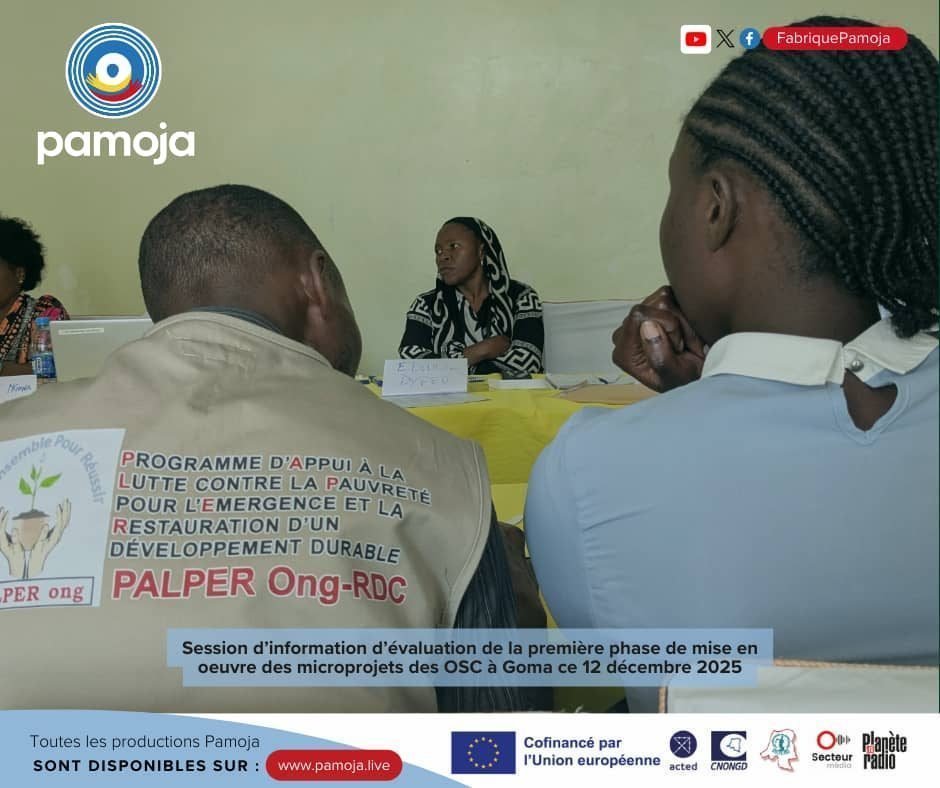
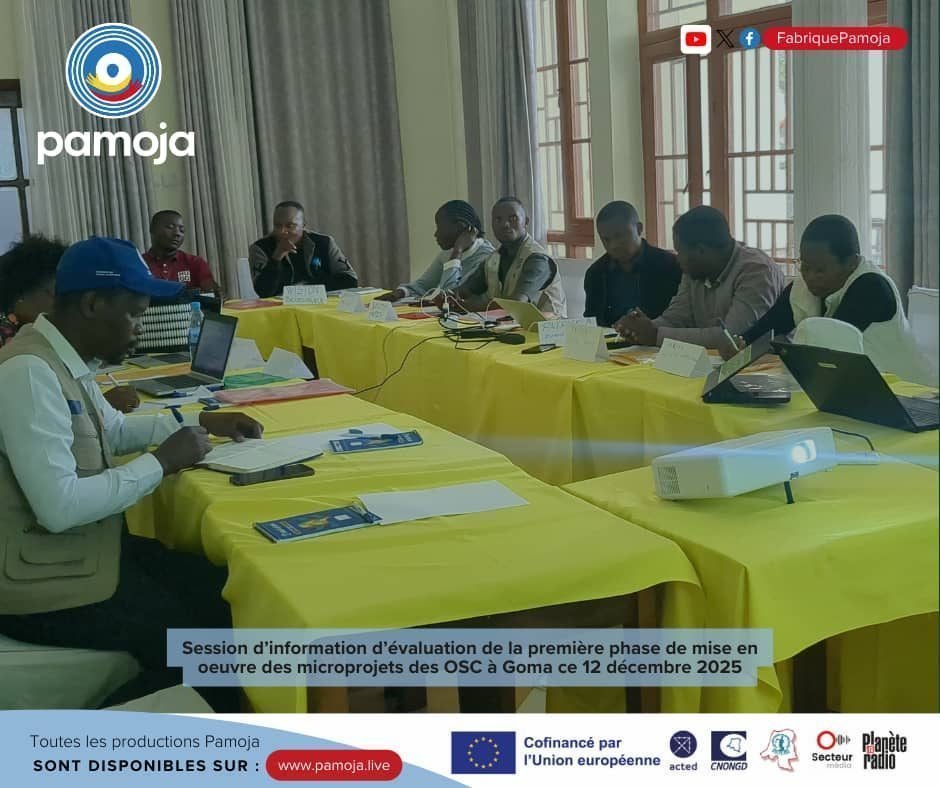
Our field teams identify water sources and their users, conduct household surveys and bring residents and local leaders into discussions. PALPER’s field-monitoring methods describe how observation, interviews and group conversations can be used together to understand needs.
The shared-filter demonstration adds practical learning questions: how households share a system, how long collection takes and what makes maintenance difficult. When objectives are missed, programme, monitoring and finance colleagues review the causes together and agree next steps with partners.
What more we can do
Scientific partners can help strengthen field measurements, interpret findings and support local skills. The scholarship programme also creates a link between university study and practical water questions. The aim is evidence that helps communities choose and maintain solutions they can use.