Clean Water, Healthier Communities.
From repairing pipes to delivering water and helping families reach treatment, we work alongside communities to restore reliable water access in North Kivu.
Water Access Takes More Than One Solution
Our WASH work combines infrastructure repairs, water delivery, hygiene education and support for people affected by waterborne disease. We also work to reduce the risks women and girls face when walking long distances to collect water.
After receiving filters, residents of Géomètre I Avenue in Kasika, Goma, wrote to us with a wider request: more containers to collect and store water, and piped water closer to their homes. Their letter explained what the long walk for water means for women and mothers.
“Having water nearby will protect young women and mothers from violence, as they are the ones who walk far to collect water.”
Where Families Collect Water Today
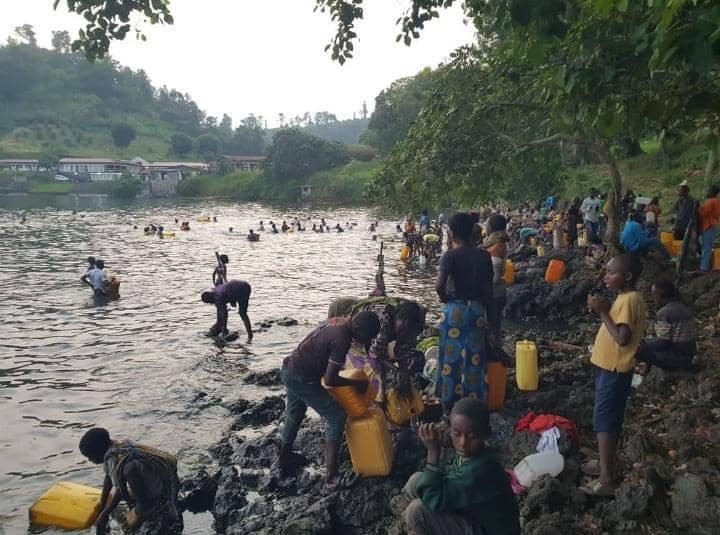
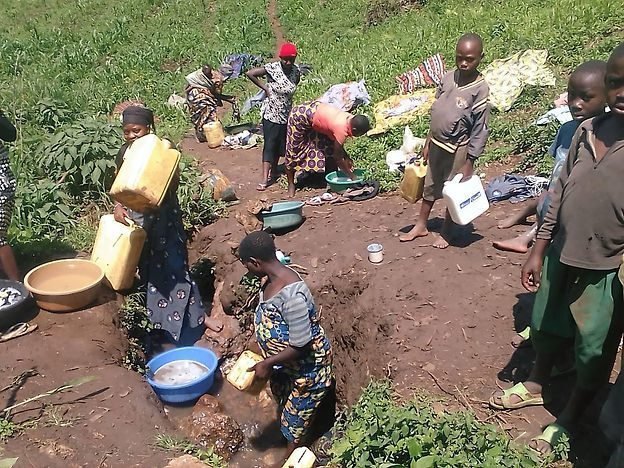
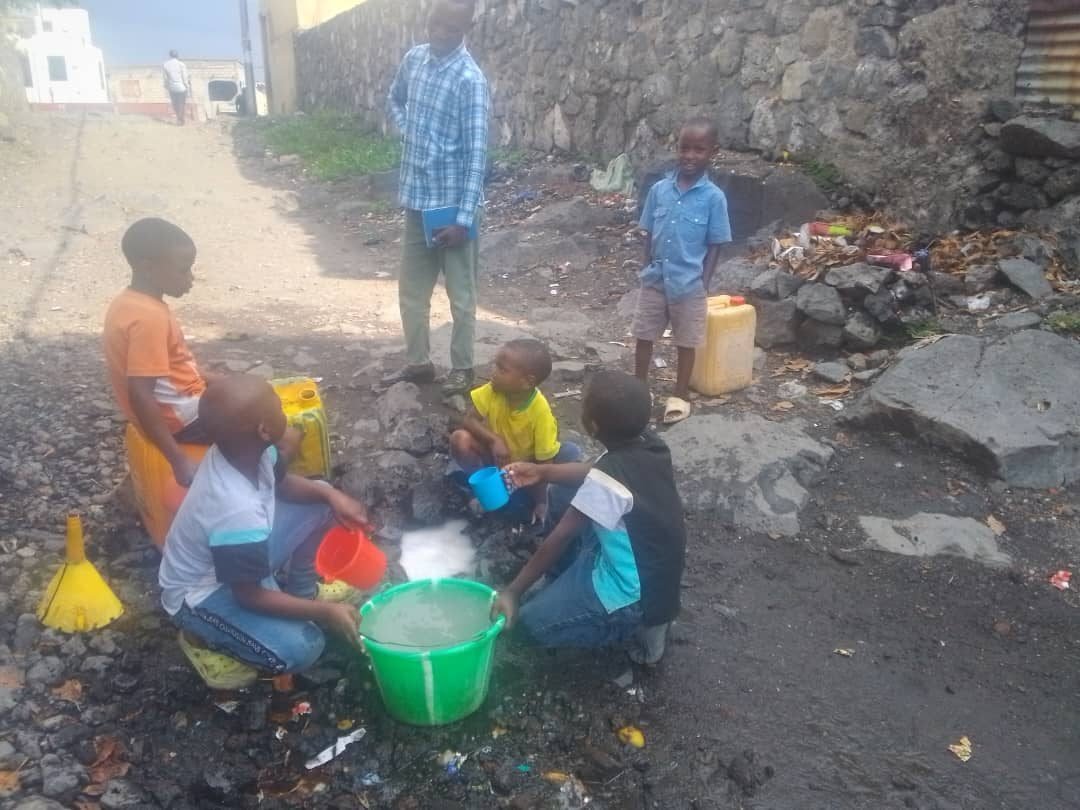
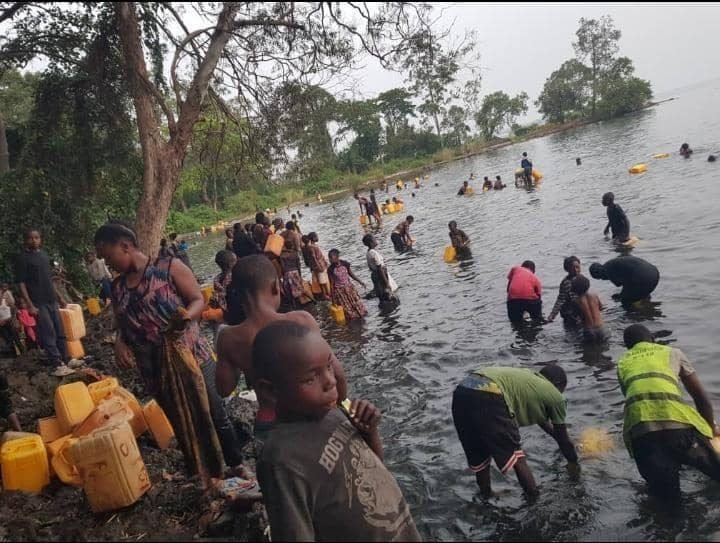
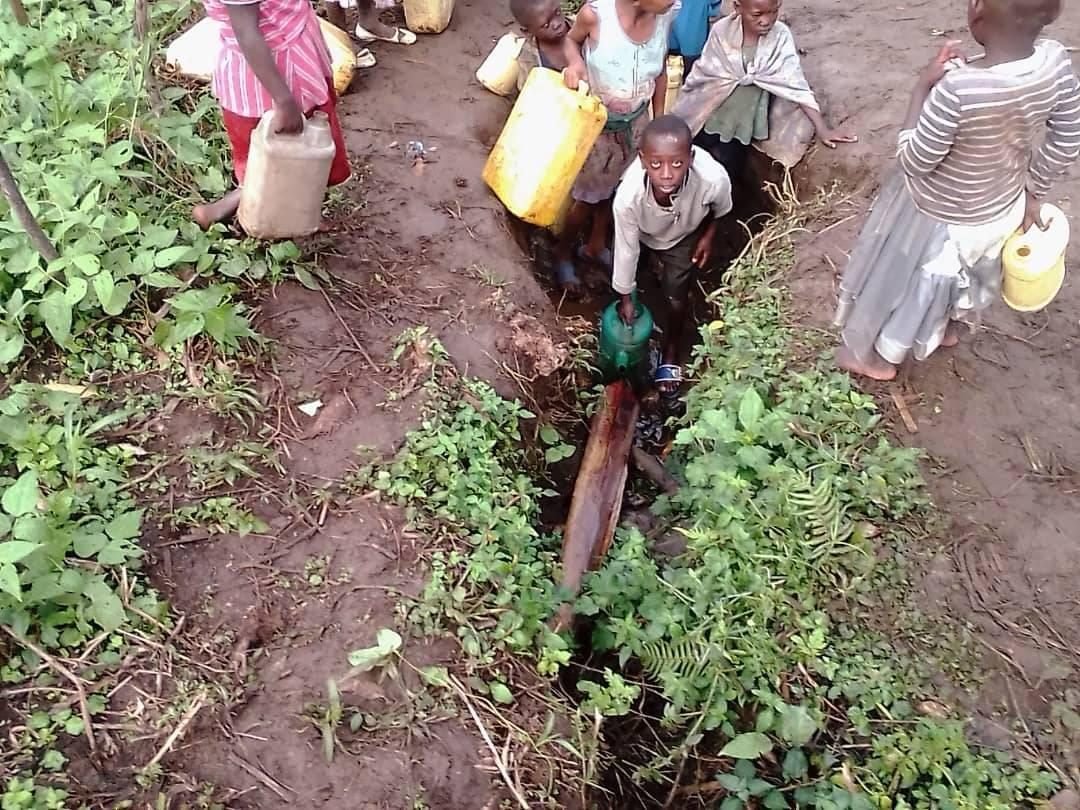
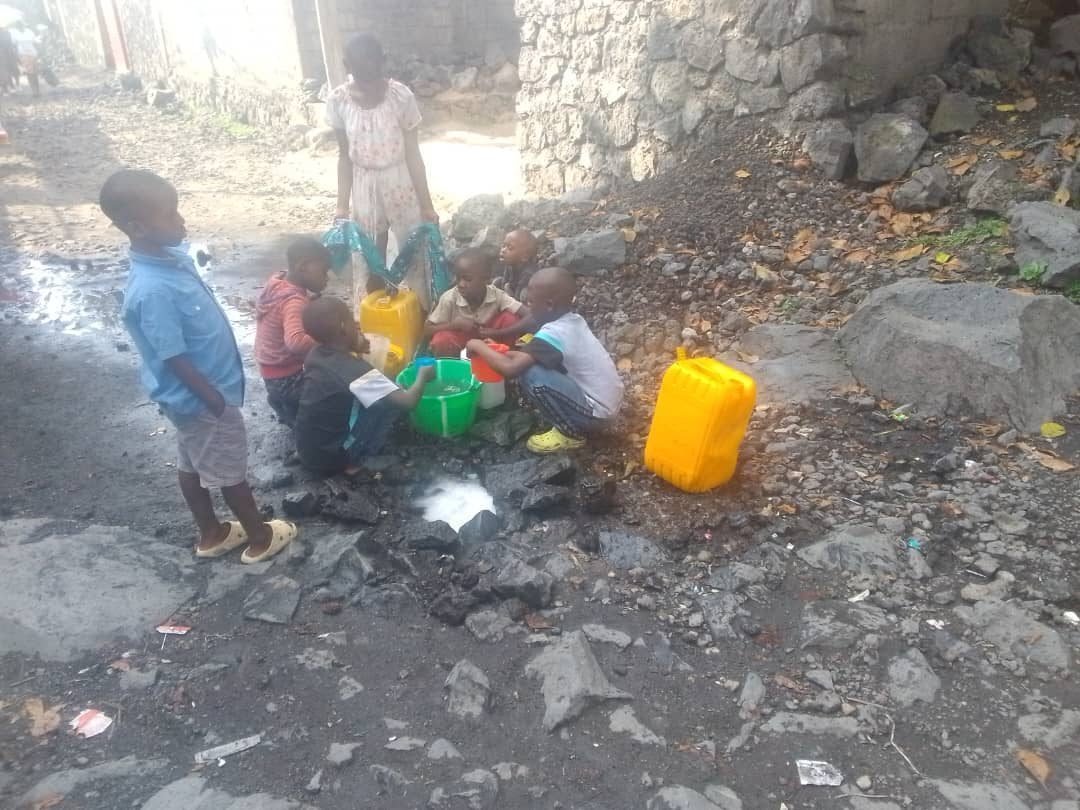
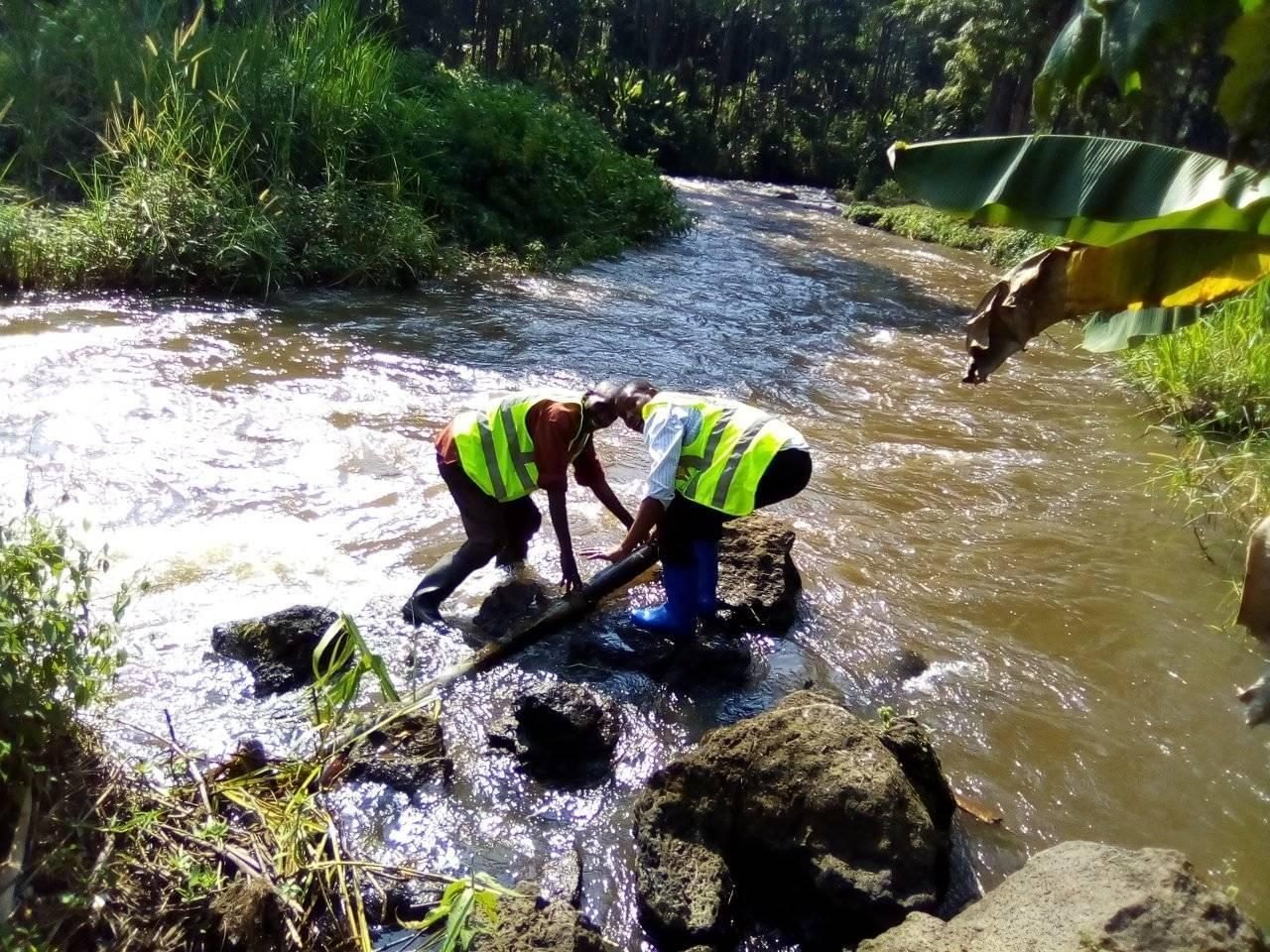
These are the sources most families in North Kivu rely on: the lake shore, rivers, muddy channels, and pools of water between the rocks. The water isn't treated, and families carry all of it home by hand.
PALPER's Field Team at Work
Our staff protect springs so that water is captured before it's contaminated, keep existing catchments working, and install shared filters where no protected source can be reached.
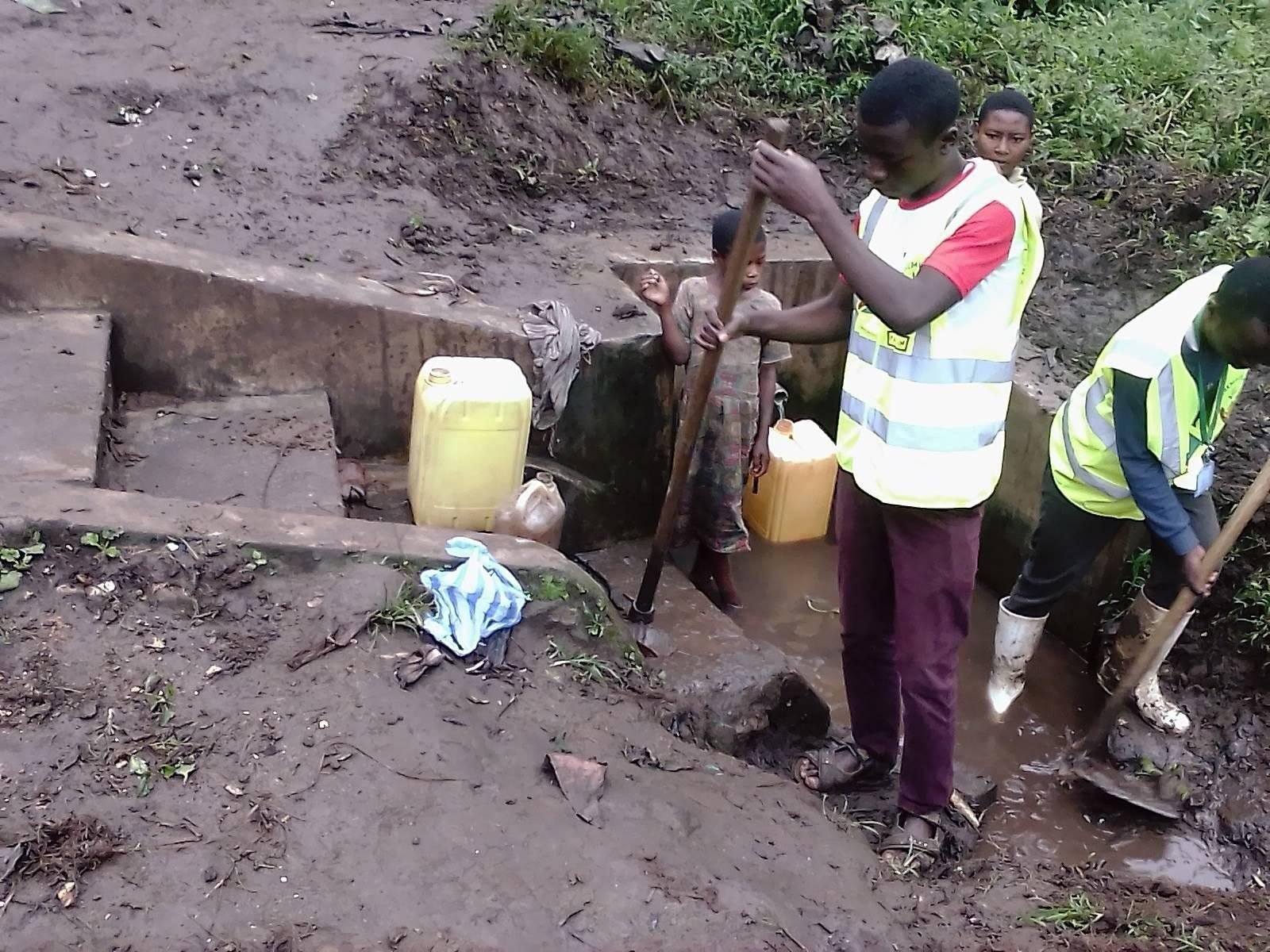
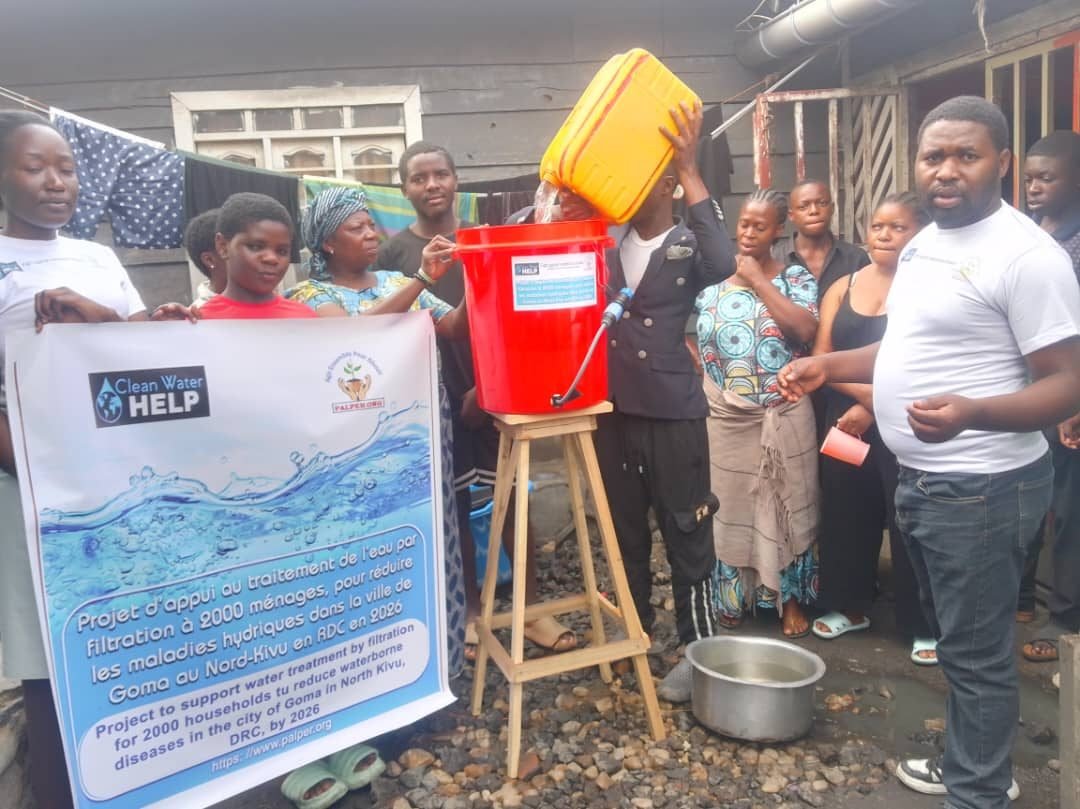
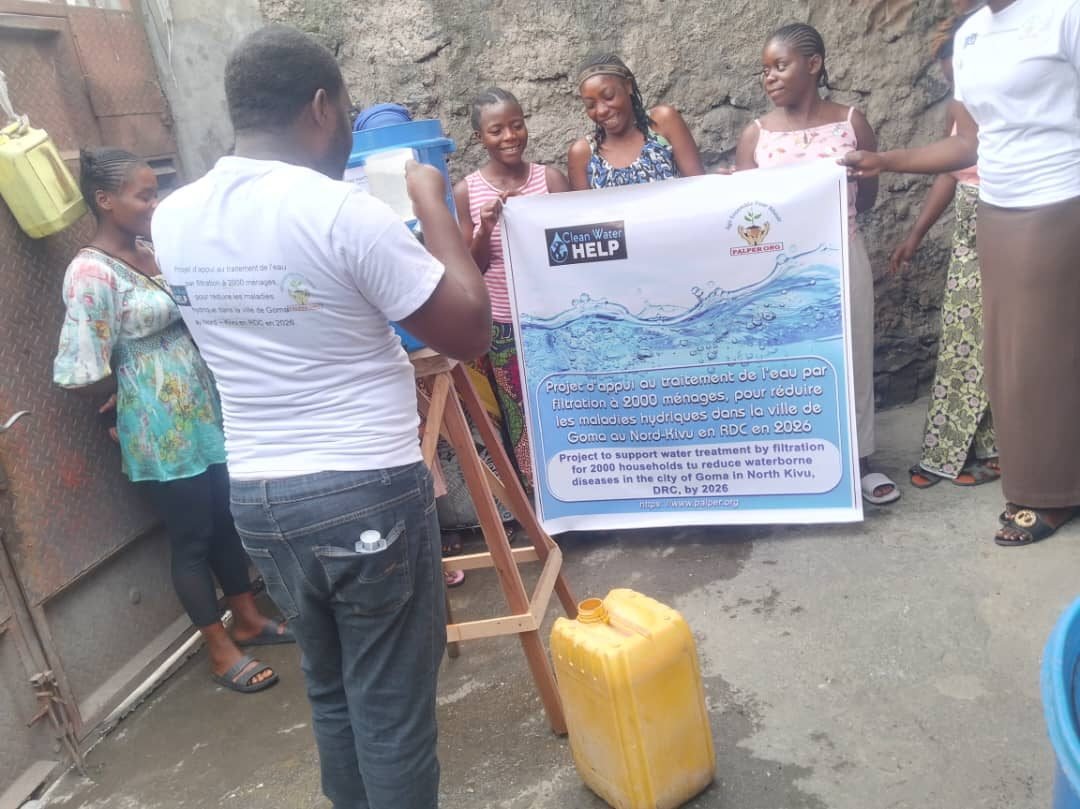
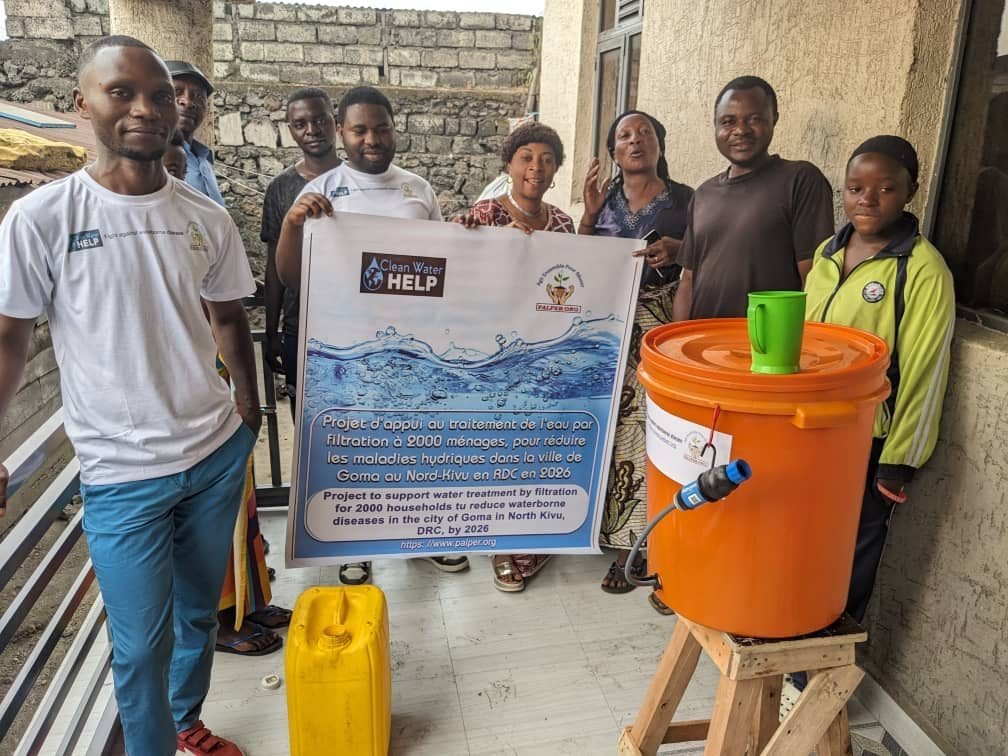
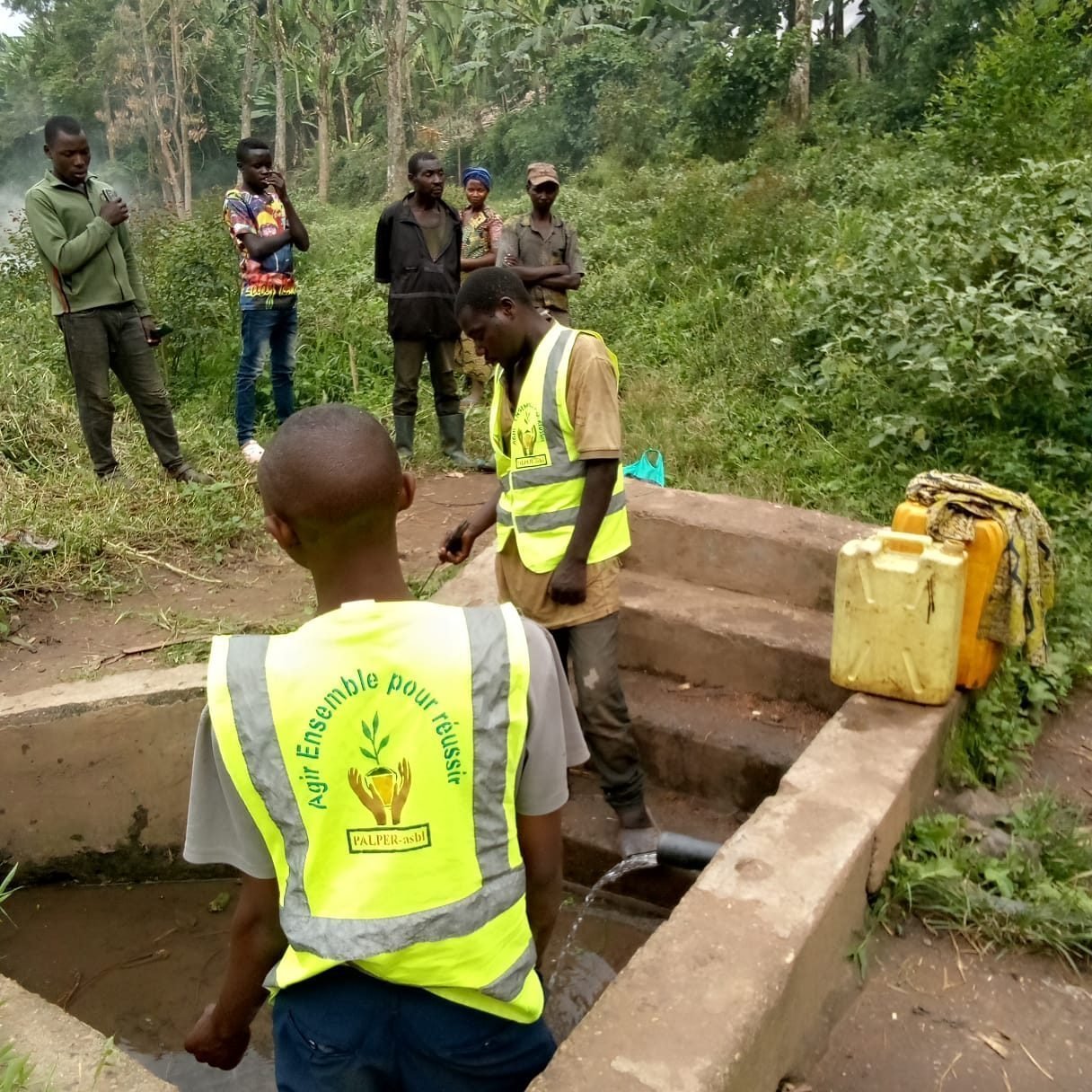
A demonstration in Goma · 2026
Testing Household Filtration Together
Alongside our wider water work, we partnered with Clean Water Help on a small demonstration of shared household filters. Ten filters were distributed to groups of five families, reaching 50 families, about 250 people. Our team installed the systems and showed families how to use and care for them.
Sharing a filter is a deliberate choice. We brought five neighboring households around each system to encourage cooperation and peaceful coexistence between communities affected by conflict. Families learn to use and care for the equipment together.
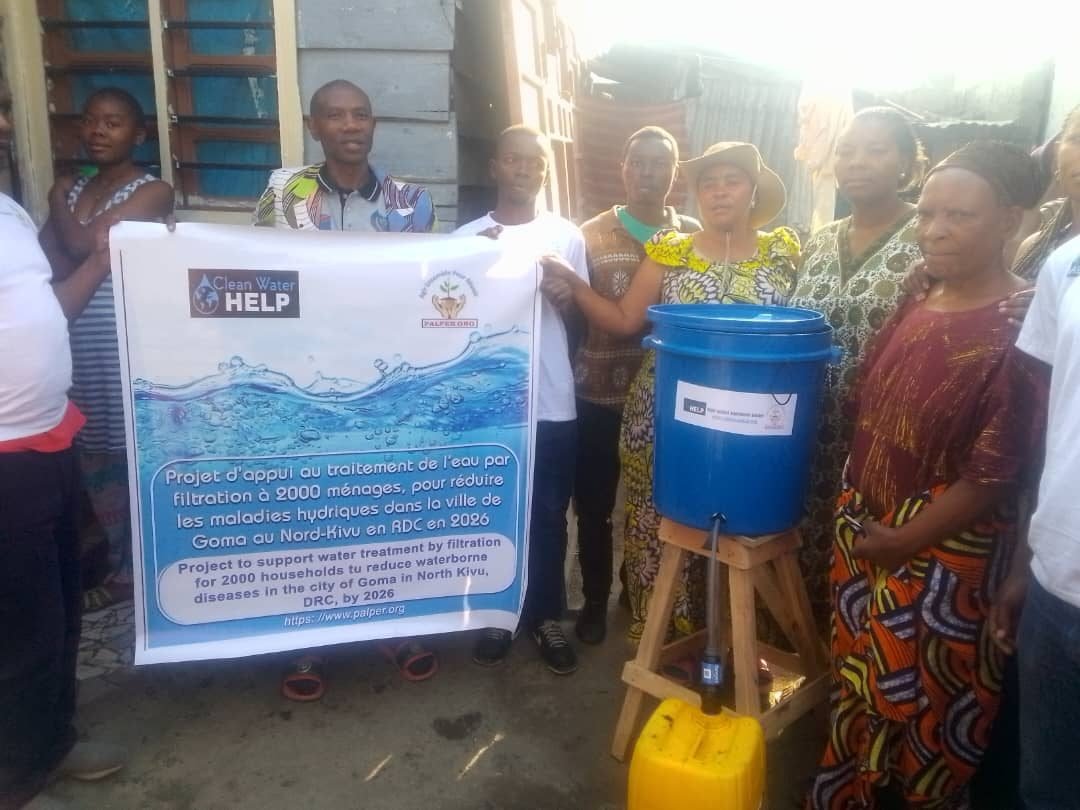
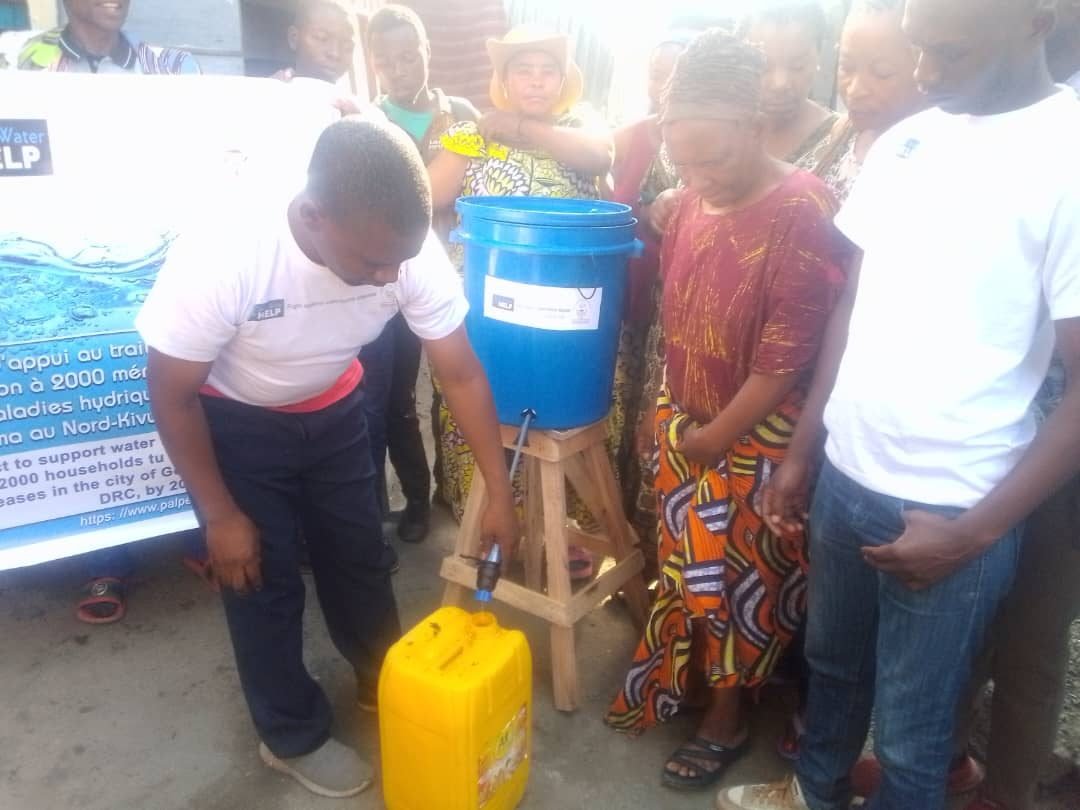
The pilot is designed to learn what works in daily life: how long families wait for water, whether sharing is practical, and what happens when a filter slows or needs care. These questions help us plan systems that families can continue using.
We're purchasing 50 additional filters with Clean Water Help to expand this work. Feedback from the pilot is guiding the next stage, including families’ requests for more water-storage containers and access closer to home.
Go deeper: why this filter, and not a well or chlorineTechnical
Goma is built on hardened volcanic rock. Drilling a borehole through fractured basalt is slow and unpredictable, and a shallow well in porous rock can draw in the contaminated surface water it was meant to avoid. That rules out the solution most people suggest first.
A gravity membrane filter was chosen for what it does not need: no electricity, no chemicals, no moving parts and no resupply chain. Water poured in the top passes through microscopic pores that hold back the bacteria behind cholera and typhoid, and a periodic backwash keeps it flowing for years.
Household chlorine was set aside for now, because dosing errors are easy, supply is unreliable and families dislike the taste. Where a spring can be captured and protected instead, we do that, because protecting a source is better than treating water after it's collected.
Go deeper: why five households share one filterDesign
One filter per household would reach fewer families for the same money and would be far harder to follow up. Grouping five neighboring households spreads the benefit, creates shared responsibility for the equipment, and keeps each unit easy to visit and check.
In North Kivu, sharing also has a second purpose. Bringing neighbors from different communities around one resource, in a province divided by years of conflict, is part of the work. Families are selected with local leaders, and the most vulnerable households are considered first.
Go deeper: what this costs and how it's documentedTransparency
One filter costs about $80 delivered and installed, covering the filter, the bucket and stand, transport, and our team's time to install it and train the family. Our partner Clean Water Help funds the equipment; the two pilot reports above itemize what was bought in each round.
Every purchase is photographed with its receipt, down to the buckets. Banking is suspended across North and South Kivu, so funds arrive by mobile money, and each phase of work ends with a written report.
Where We Work
North Kivu, Territory by Territory.
We work in communities across North Kivu. Select an area to learn more.
Water access in rural communities
Conflict and displacement make reliable water access difficult in Masisi. Scattered communities need systems that can be maintained locally.
Local priorities
Water sources, hygiene and access for health facilities are central to our assessments with communities.
Water closer to families
Displaced families in Nyiragongo face pressure on water supplies and long collection journeys. Access close to home is especially important for women and girls.
Local priorities
Safe collection, household treatment and hygiene help families manage limited water supplies.
Restoring local water sources
Rwanguba is our home base. Damaged and undeveloped sources affect water access in surrounding communities.
Local priorities
We work with local water committees to identify repairs and plan for ongoing maintenance.
Household water treatment
In Goma, our filter demonstration brings water treatment closer to families. Neighbors share a system, with training and follow-up from our local team.
Expanding the pilot
Following the ten-filter demonstration, we're purchasing 50 more filters with Clean Water Help.
Select a territory or its outline on the map.
Clean Water Help
Clean Water Help supports our water work with technical expertise, funding and filters. Together, we're expanding household filtration and supporting the next generation of local water specialists.
The Road Ahead
Ten filters are installed and in daily use. Fifty more have been approved: the first ten are paid for and on the road from Kenya, and the remaining forty follow in shipments of ten, each paid for as it arrives.
- Installed and in use
- Paid for and in transit
- To follow in shipments of ten
With all 60 filters in use, the program reaches about 1,500 people. The goal is about 5,000 people by the end of 2027, as a first step toward PALPER's longer-term aim of 2,000 households in Goma.
The Kasika letter named two further needs, and both are part of the plan. Families need containers to store treated water safely, and they need source water closer to home so that women and girls no longer walk long distances to reach it.
Empower a Community
Fund the Next Fifty Filters
About $80 installs one filter shared by five households, roughly 25 people, including the training that keeps it working for years. Gifts are received by Clean Water Help, a United States 501(c)(3), and every dollar goes to the program.
Clean Water Help buys the filters and pays PALPER’s field costs to install them. For project budgets or partnership questions, contact PALPER. Registered Non-Profit N° JUST./SG/20/1170/2018.