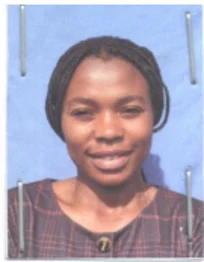
Lareine Awezaye
Civil Engineering
Lareine wants to build the water and drainage systems her community needs. A strong student from Goma, she also hopes to encourage more young women to pursue engineering and construction.
 PALPER asbl
Agir Ensemble Pour Réussir
For $1,500 a year, a sponsor covers one student's tuition, books and living costs at university in Goma. The five students in this program are training to become the scientists and engineers their communities need for clean water.
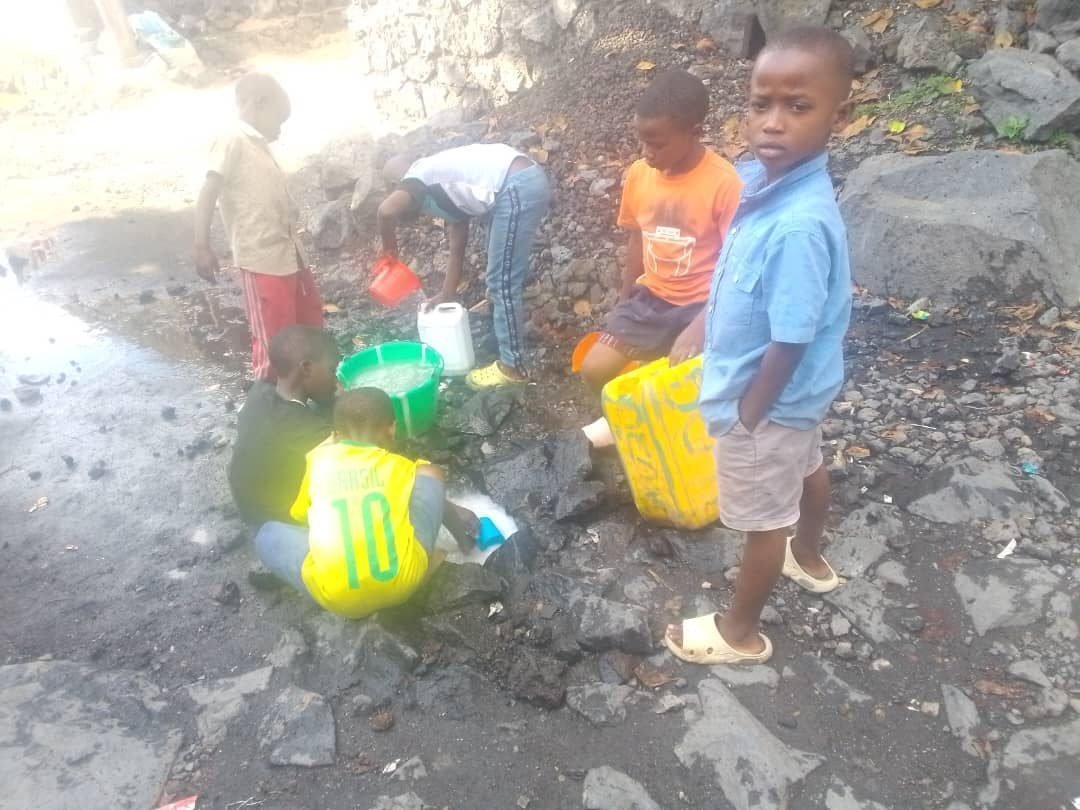
In the communities PALPER serves, capable students often can't continue their education because they can't pay university tuition of a few hundred dollars a year.
Water systems need people who can design, test, repair and manage them long after an outside project ends. Therefore, the long-term answer is local expertise, and that starts with students from these communities.
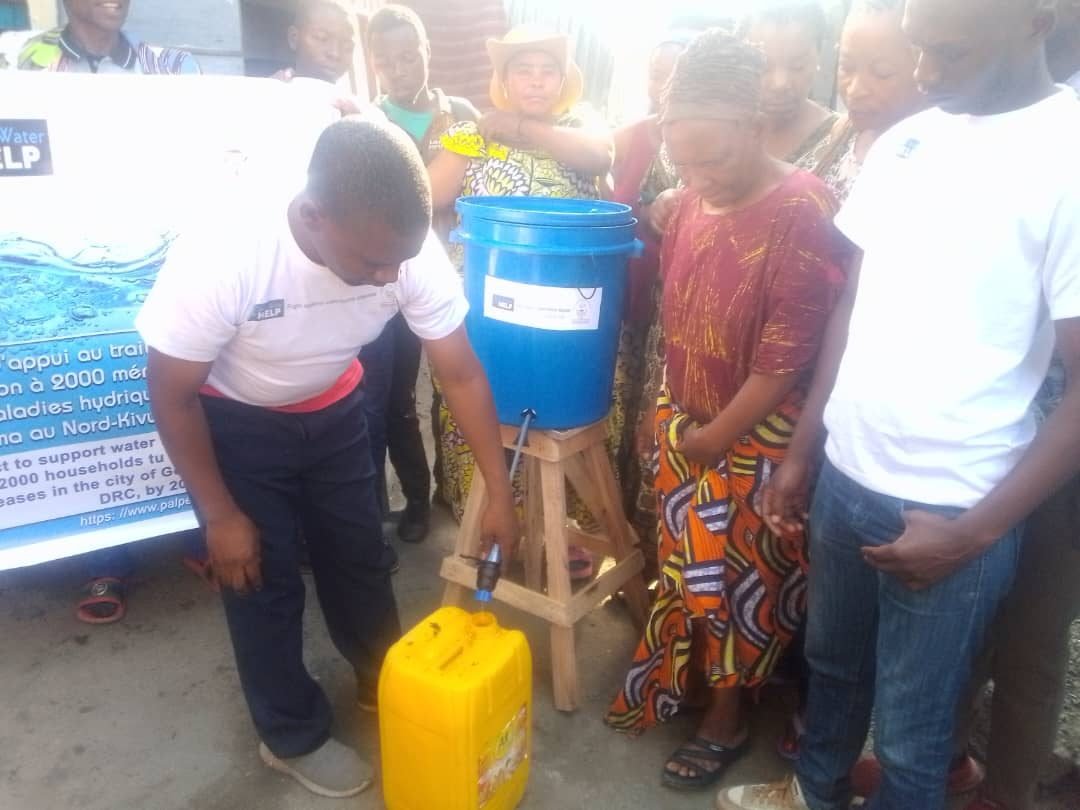
With Clean Water Help, PALPER has selected five promising students from more than 30 applicants for the 2026–2027 program. When the government suspended the University of Goma in August 2026, the program moved to ULPGL (Université Libre des Pays des Grands Lacs) in Goma, where classes start on 15 October 2026. All five scholarships are now fully sponsored. Their studies in science and engineering will be paired with practical water work alongside our local team. Each annual sponsorship supports:
For an individual, a foundation or a company, this is a personal investment with a clear purpose: one student, one year of university, and experience putting new skills to work. A scholarship trains an engineer or scientist in the place where that expertise is needed most.
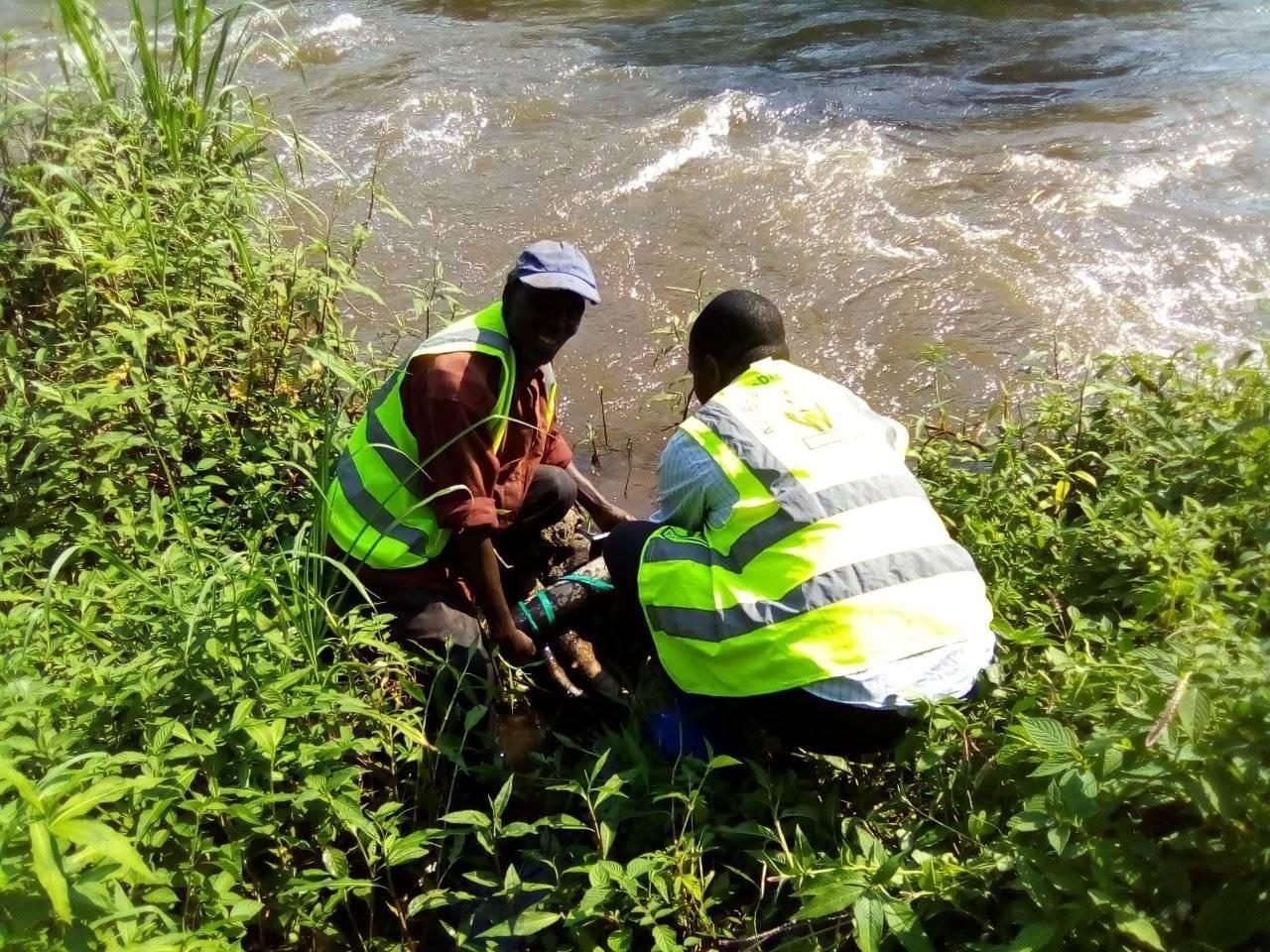
Selected from more than 30 applicants, these students bring strong academic results and a commitment to water. Each scholarship pairs university studies with practical experience alongside our local team.
Civil Engineering
Lareine wants to build the water and drainage systems her community needs. A strong student from Goma, she also hopes to encourage more young women to pursue engineering and construction.
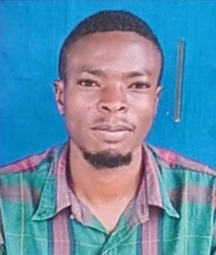
Civil Engineering
Faustin finished high school in 2018 but couldn't afford to begin university. He wants to become an engineer and build taps, reservoirs and supply networks so families in Goma spend less time waiting for water.
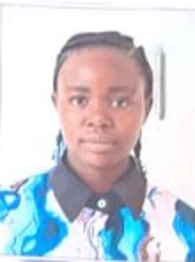
Public Health
Chantal’s interest in biochemistry has a practical purpose: understanding the water people drink. She wants to work in water treatment and laboratory analysis, and share findings that help communities and public authorities act.
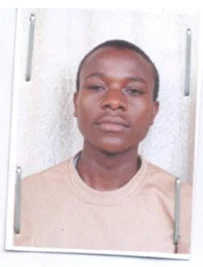
Public Health
Ruphin earned strong results in his first year of university before his funding ended. He tutors local children and wants to combine biology, water and teaching to improve health in his community.
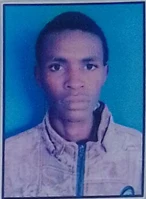
Public Health
Bienvenu completed high school in 2025 after conflict forced his family to leave home. Seeing how difficult it was to find water shaped his ambition to work in water distribution and sanitation.
A United States 501(c)(3) nonprofit of volunteer scientists and engineers. Clean Water Help reviews student nominations, sends tuition directly to the university and pairs students with scientist-mentors in their field. Together, we connect local ambition with education, scientific guidance and practical experience.
A scholarship covers the essentials that allow a student to focus on learning.
| Tuition | $500 |
|---|---|
| Books | $100 |
| Living expenses, $100/month for nine months | $900 |
| Total annual scholarship | $1,500 |
We mentor students locally, arrange practical internships and follow their academic progress with Clean Water Help.
A $1,500 scholarship funds one full year of university, with practical water experience and mentoring alongside it. Individual sponsors, foundations and companies can help build the expertise communities need for the years ahead. Contact Clean Water Help about a full scholarship or a contribution toward one.