Our Work · 8 Priorities for Progress
Our Work
Eight Priorities for Progress, direct, practical solutions designed and managed by the community of North Kivu.
From Immediate Needs to Lasting Livelihoods
A family returning home needs water and food today, but also a way to earn a living tomorrow. Seeds, savings, skills and roads to market all matter. Our eight priorities connect these needs, helping communities rebuild the services and livelihoods they depend on.
Read the Goma story: the problems these eight priorities answer →
Clean Water
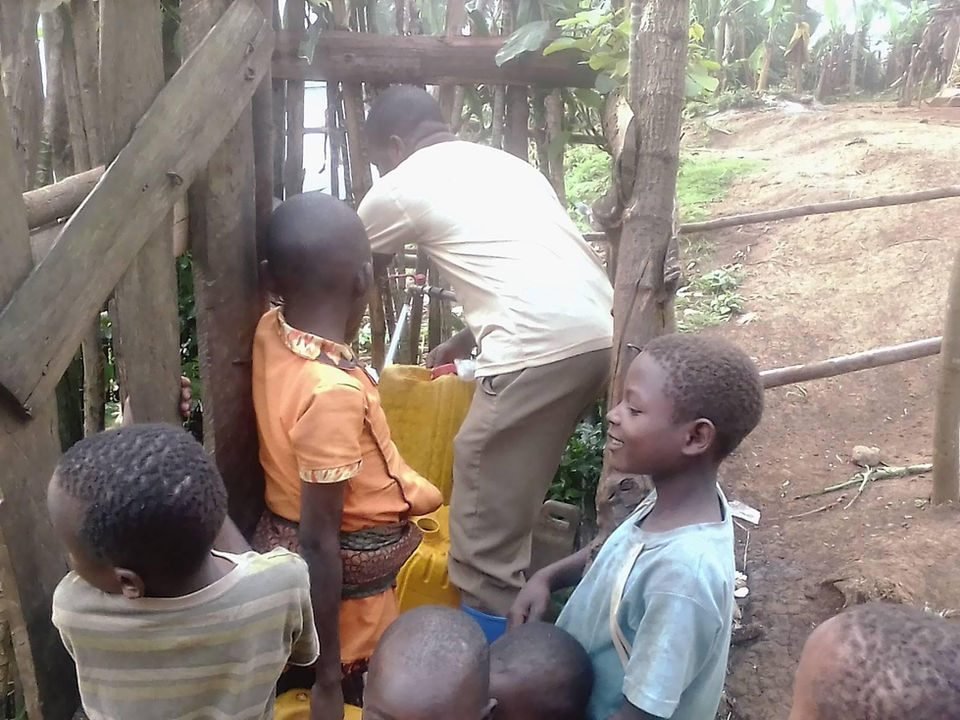
Repairing pipes and water infrastructure, delivering water and making collection safer for women and girls are central to our WASH work. Sanitation and hygiene matter too: our priorities include latrines, hygiene education and access to treatment for waterborne illness. Reliable water and healthier daily practices go together.
Education
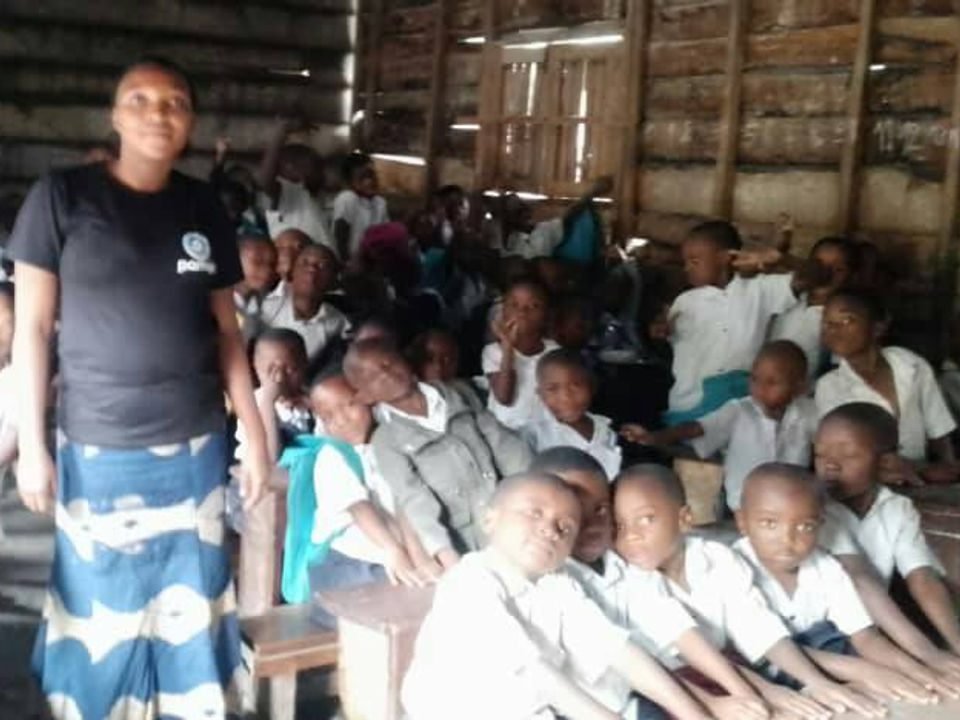
Literacy, practical skills and professional training help women, children and young people take a greater part in community life. Our education priorities connect learning with the skills communities need to build and maintain their own services.
Food Security & Safety
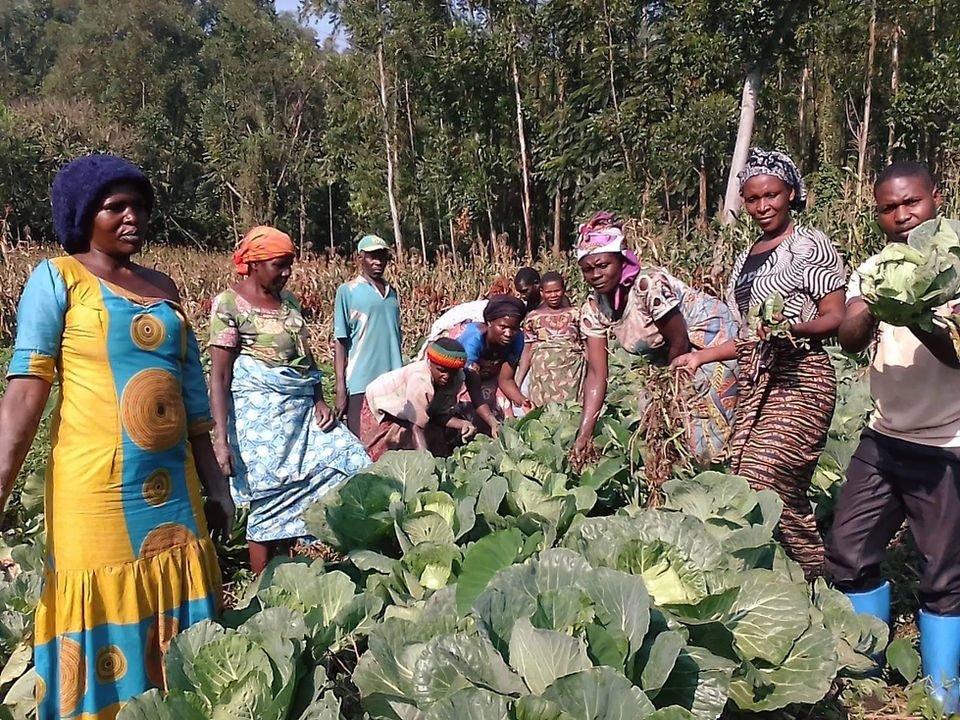
Food assistance meets an immediate need for families affected by conflict. Our longer-term priorities help farmers prepare for the next harvest: quality seeds, practical training and demonstration fields, diverse crops, better storage and processing, and agricultural roads that connect rural communities to markets.
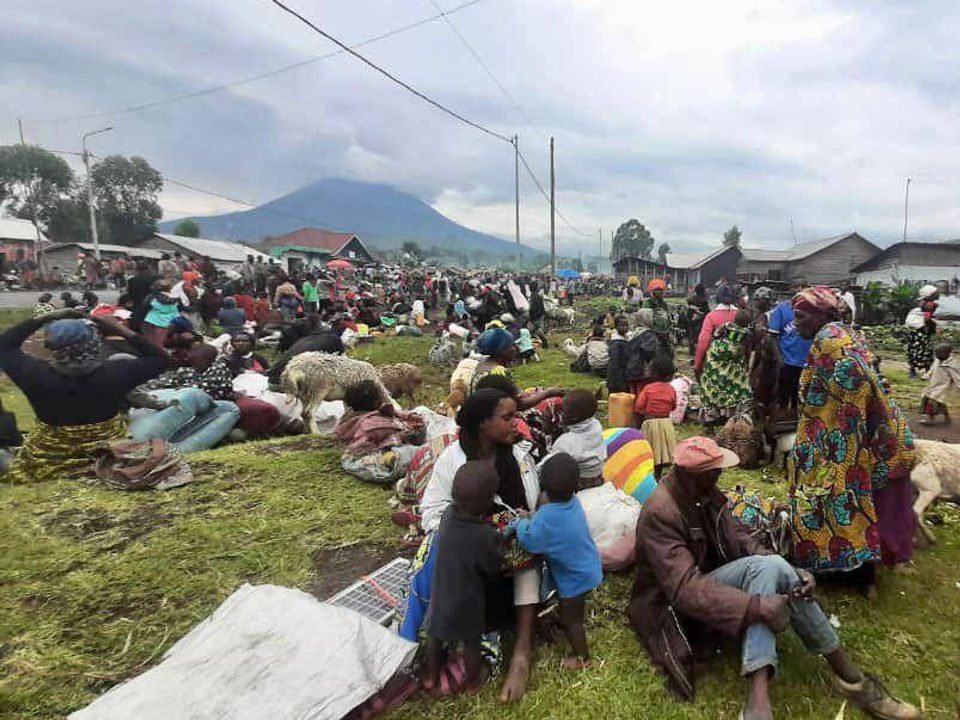
Protecting the Vulnerable
Conflict can take away a home, a livelihood and a sense of safety. Our protection priorities include safe shelter for displaced and returning families, psychosocial support for people affected by violence, and vocational reintegration for young people leaving armed groups. Support is shaped around dignity, family ties and a path back into community life.
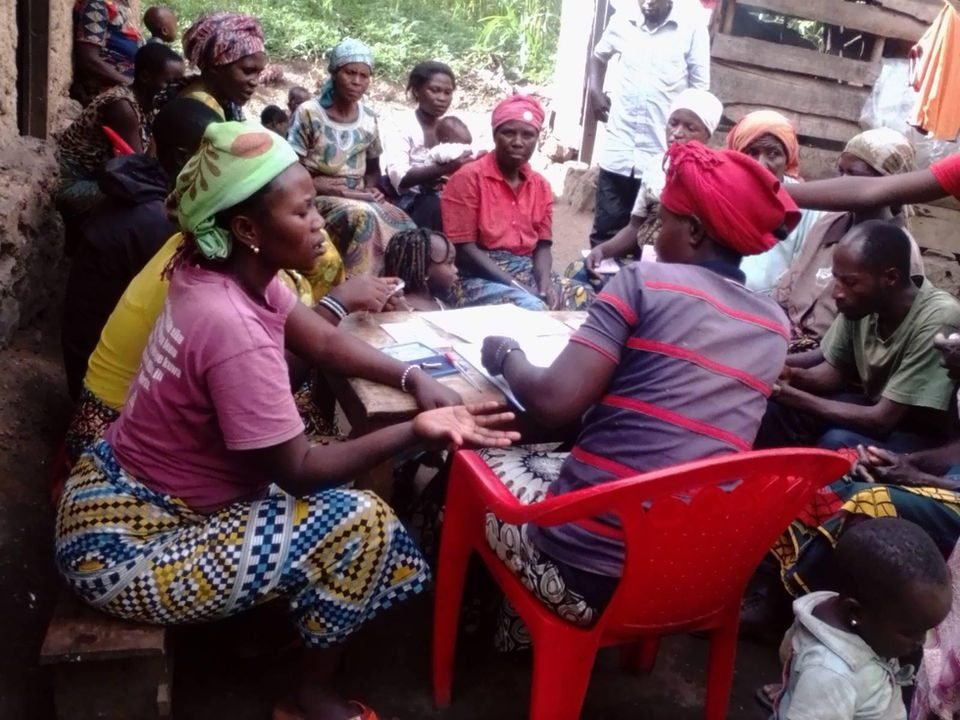
Health & Disease Prevention
Preventing disease and helping people reach care are both part of our health work. Community hygiene education, disease surveillance and vaccination activities address outbreaks. Our priorities also include access to essential medicines and support for local health facilities, so families can get help when prevention isn't enough.
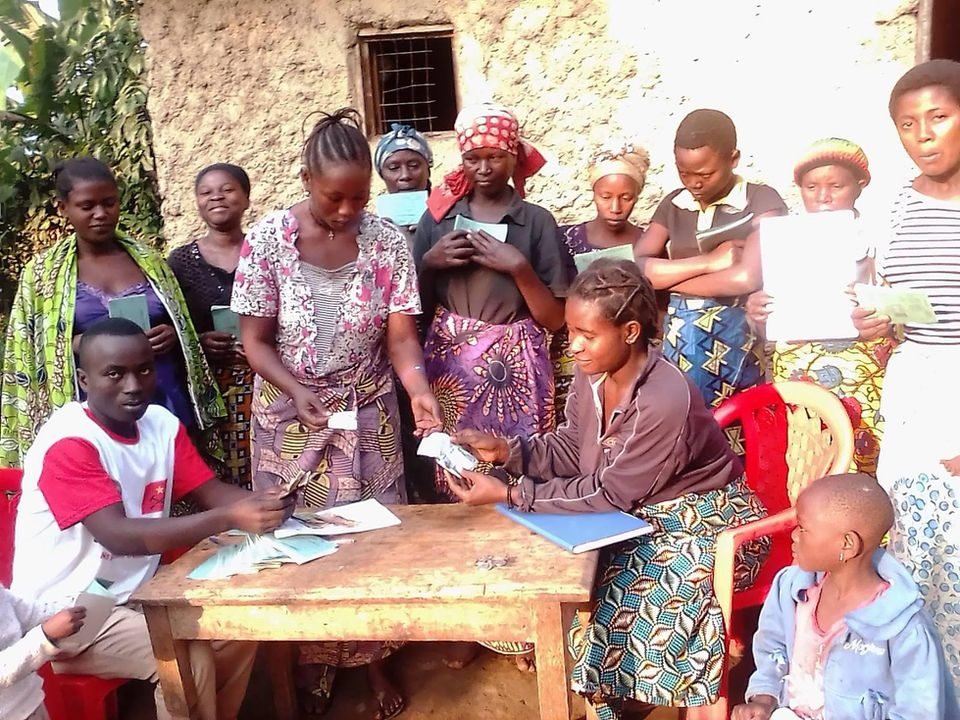
Microfinance
Our recovery priorities include village savings and credit associations (AVEC) and solidarity groups (MUSO), helping families access funds for seeds, livestock and small businesses. Paid community work is another part of this approach: repairing an agricultural road can provide income while reopening a route for farmers to sell their produce.
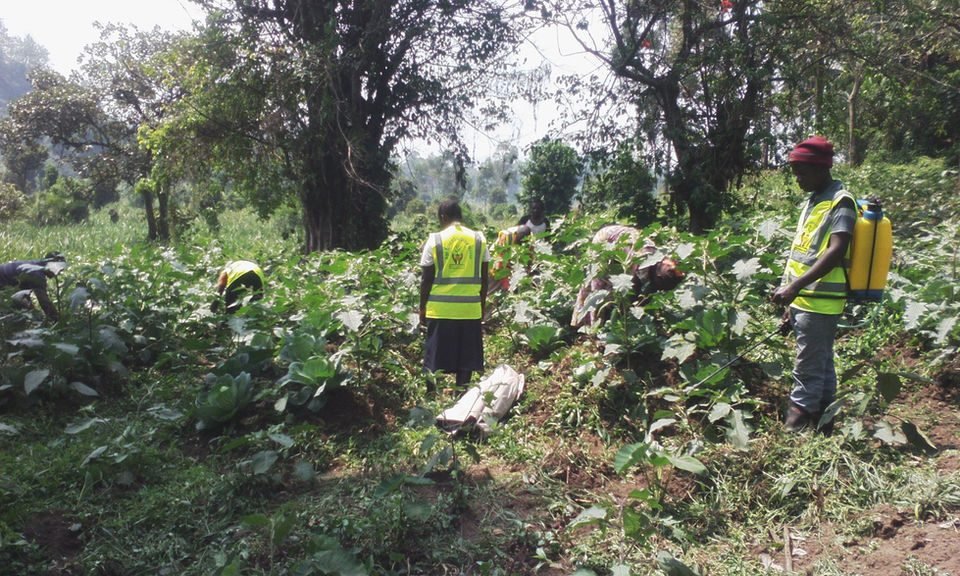
Protecting Natural Resources
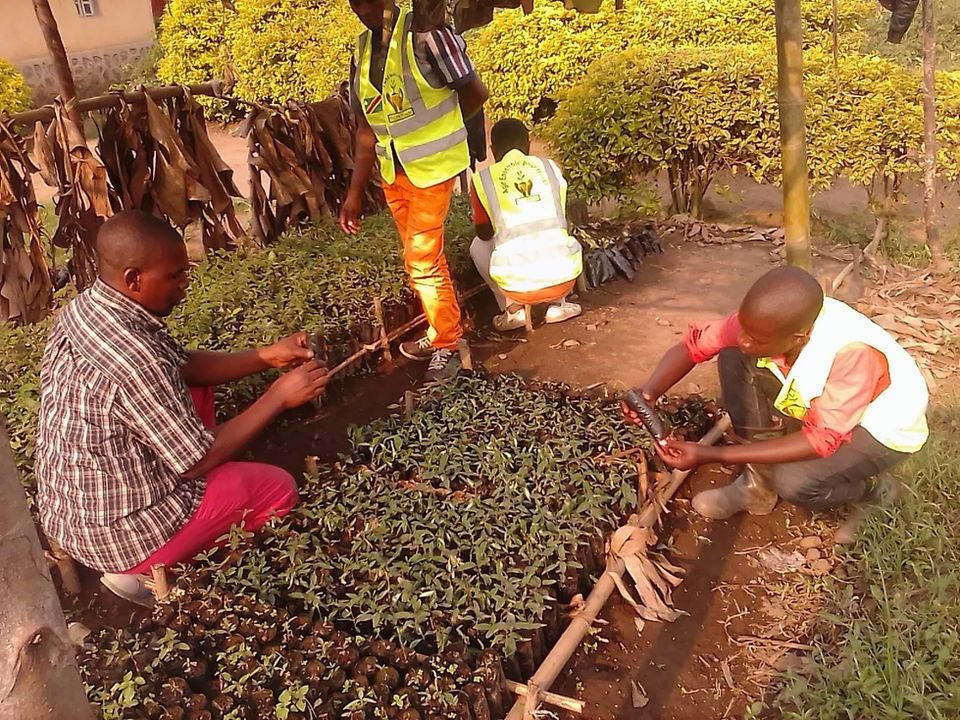
Environmental care begins when we plan a project: we consider effects on water sources and waste, choose practical safeguards and follow up during delivery. In the field, we include tree planting in our activities. Our offices sort waste and compost organic material for trial gardens, connecting care for the land with the resources communities use to grow food.
Researching Future Opportunities
Our field teams identify water sources and the people who use them, then gather residents’ experience through surveys, group discussions and interviews with local leaders. In the filter pilot, we're also testing practical questions: how families share a system, how long collection takes, and what makes maintenance difficult.
Empower a Community
Give the Gift of Clean Water.
Help communities restore water access, treat water close to home, and keep local water services working.
Gifts are received by Clean Water Help, a United States 501(c)(3), which buys the filters and pays PALPER’s field costs to install them. About $80 installs one filter shared by five households. For project budgets or partnership questions, contact PALPER. Registered Non-Profit N° JUST./SG/20/1170/2018.