Goma · North Kivu · DR Congo
A City Called Goma
In July 1994, about a million people fleeing the genocide in Rwanda crossed into Goma, a city in eastern DR Congo on the Rwandan border, within a few days. Within weeks, a cholera epidemic killed tens of thousands of them. The cause wasn't a shortage of doctors. It was a lack of clean water on volcanic rock where wells can't be dug, and that's still true in Goma today.
Kibumba camp, Goma, 1994. Photograph by TSGT Val Gempis, released under CC0.
Chapter one · The ground
Built on a Rocky Foundation That Can't Support Wells
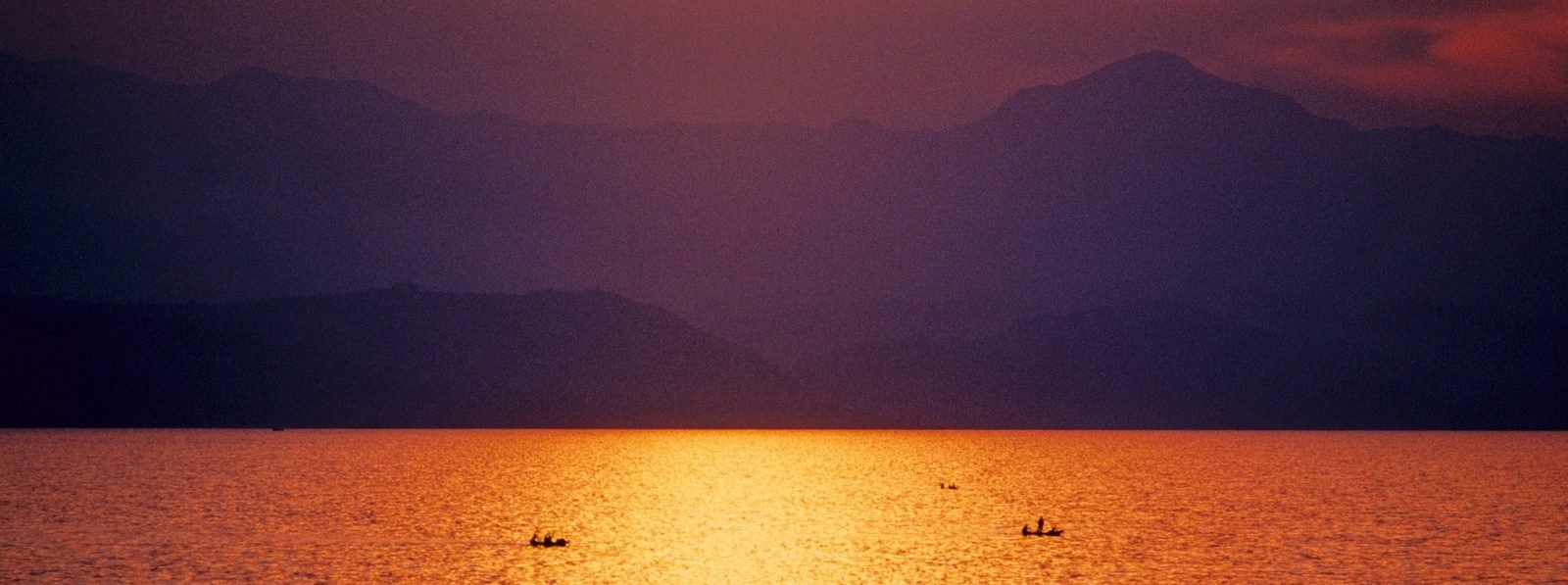
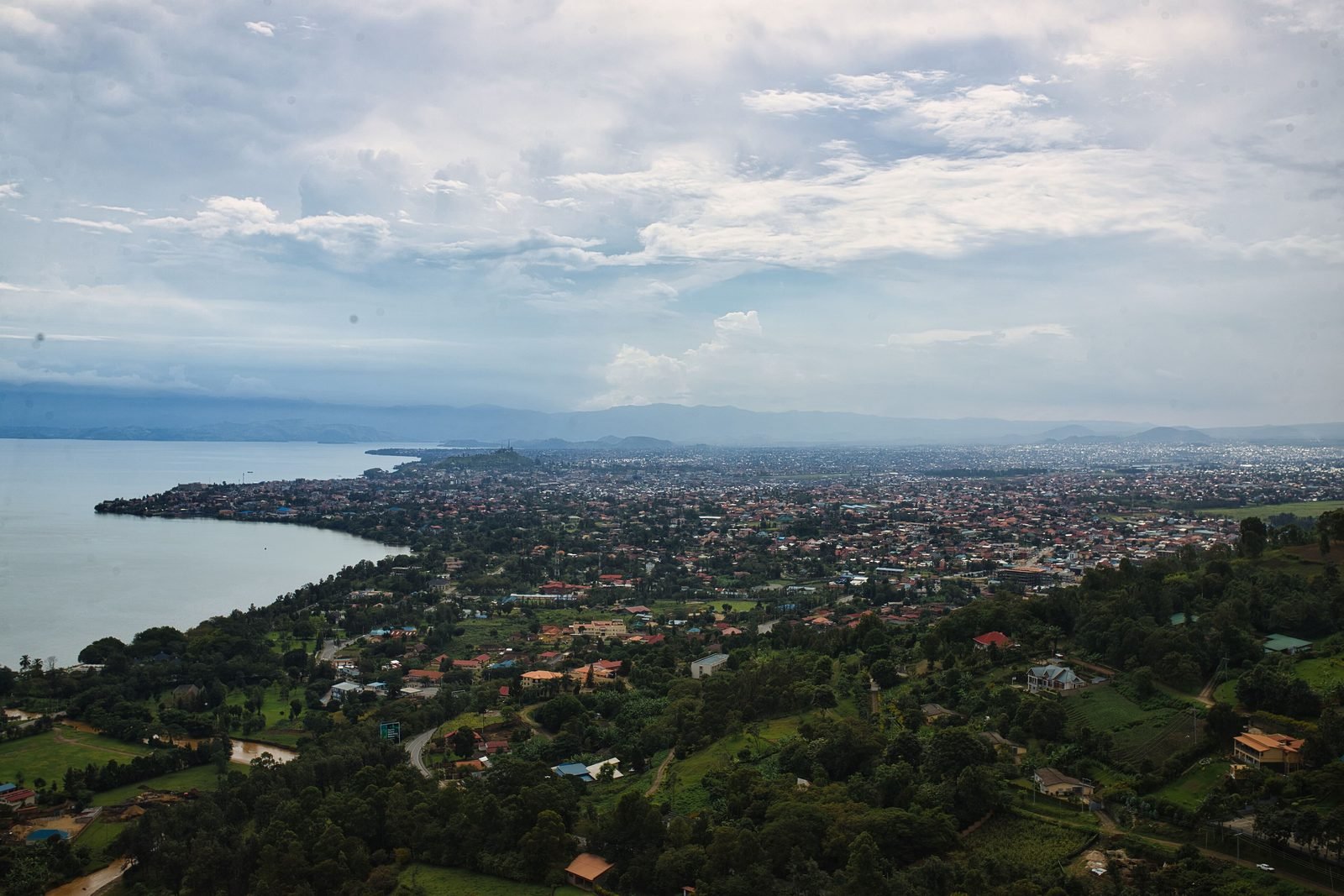
Goma is the capital of North Kivu province, in eastern DR Congo. It sits on the northern shore of Lake Kivu, directly on the border with Rwanda, and Mount Nyiragongo, an active volcano, stands about 18 kilometers (11 miles) to the north. Most of the city is built on hardened lava from past eruptions, a black, porous rock.
That rock rules out the solution most visitors suggest first, which is drilling a well. Boreholes can't be drilled reliably through fractured volcanic rock (basalt), and a shallow well in porous rock pulls in the same contaminated surface water it's meant to avoid. Lake Kivu, the city's other water source, holds dissolved gas in its deep water, and the city's untreated waste runs into it along the shore.
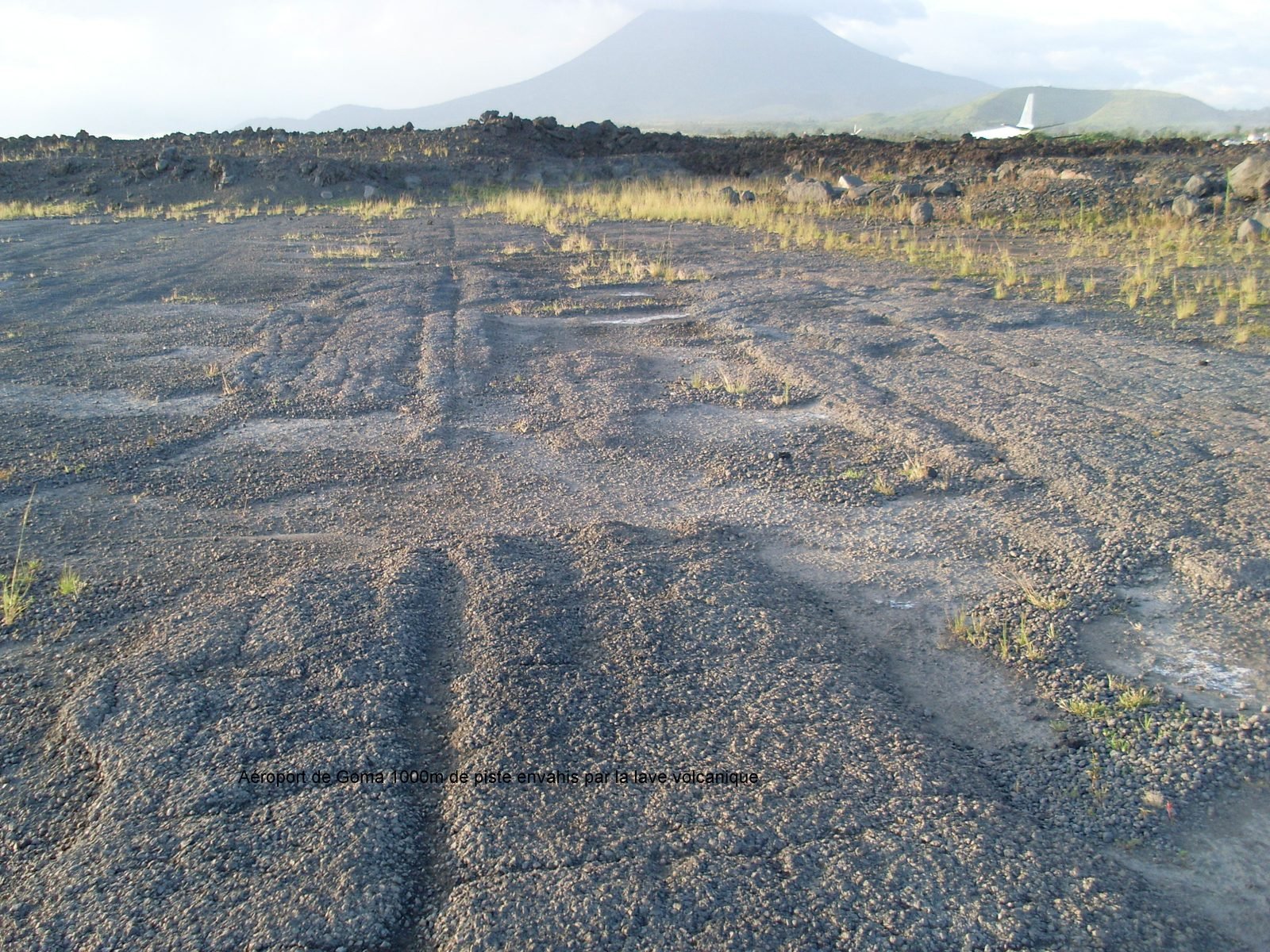
Nyiragongo erupted in January 2002. Its lava covered part of Goma's airport runway and a large part of the city center, and it's still there today.
Go deeper: why boreholes aren't the answer in GomaTechnical
Drilling through fractured basalt is slow, expensive and unpredictable. Depths vary sharply over short distances, so one successful borehole predicts very little about the next. The rock is porous, which means a shallow well can pull in surface water carrying exactly the pathogens the well was meant to avoid.
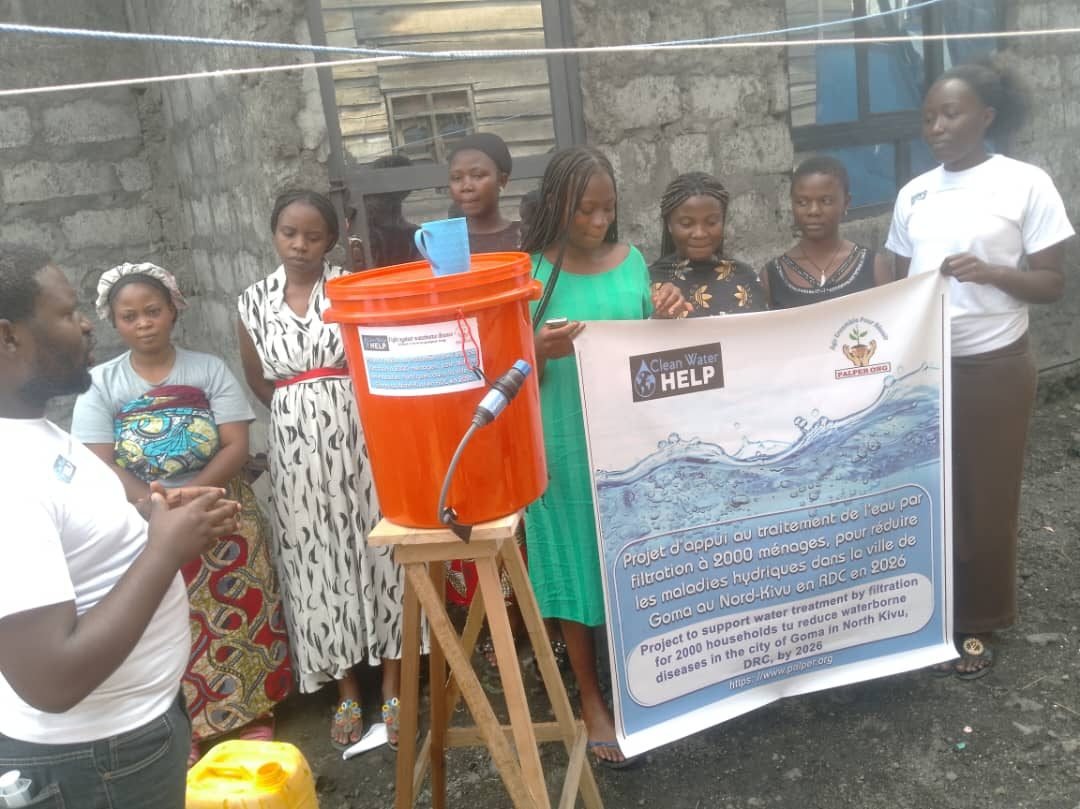
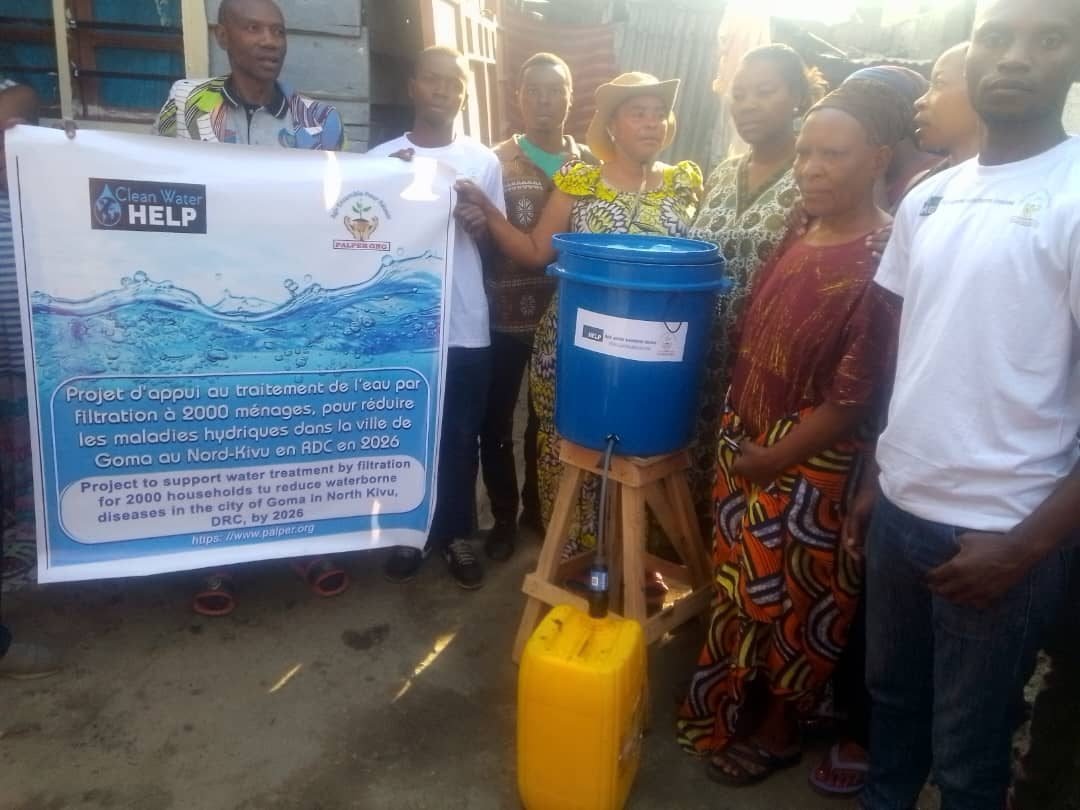
Our water program therefore begins by treating the water families already collect. A gravity membrane filter needs no electricity, no chemicals and no resupply chain, which matters in a city where the supply of everything is uncertain. Where a spring can be captured and protected, we do that as well, because a protected source is preferable to a treated one.
Chapter two · July 1994
A Million People in a Matter of Days
Gisenyi, a town in western Rwanda, is on the other side of the border, within walking distance of Goma. In July 1994, as people fled the genocide in Rwanda, roughly a million of them crossed that border into the Goma area. It's one of the fastest mass movements of people ever recorded.
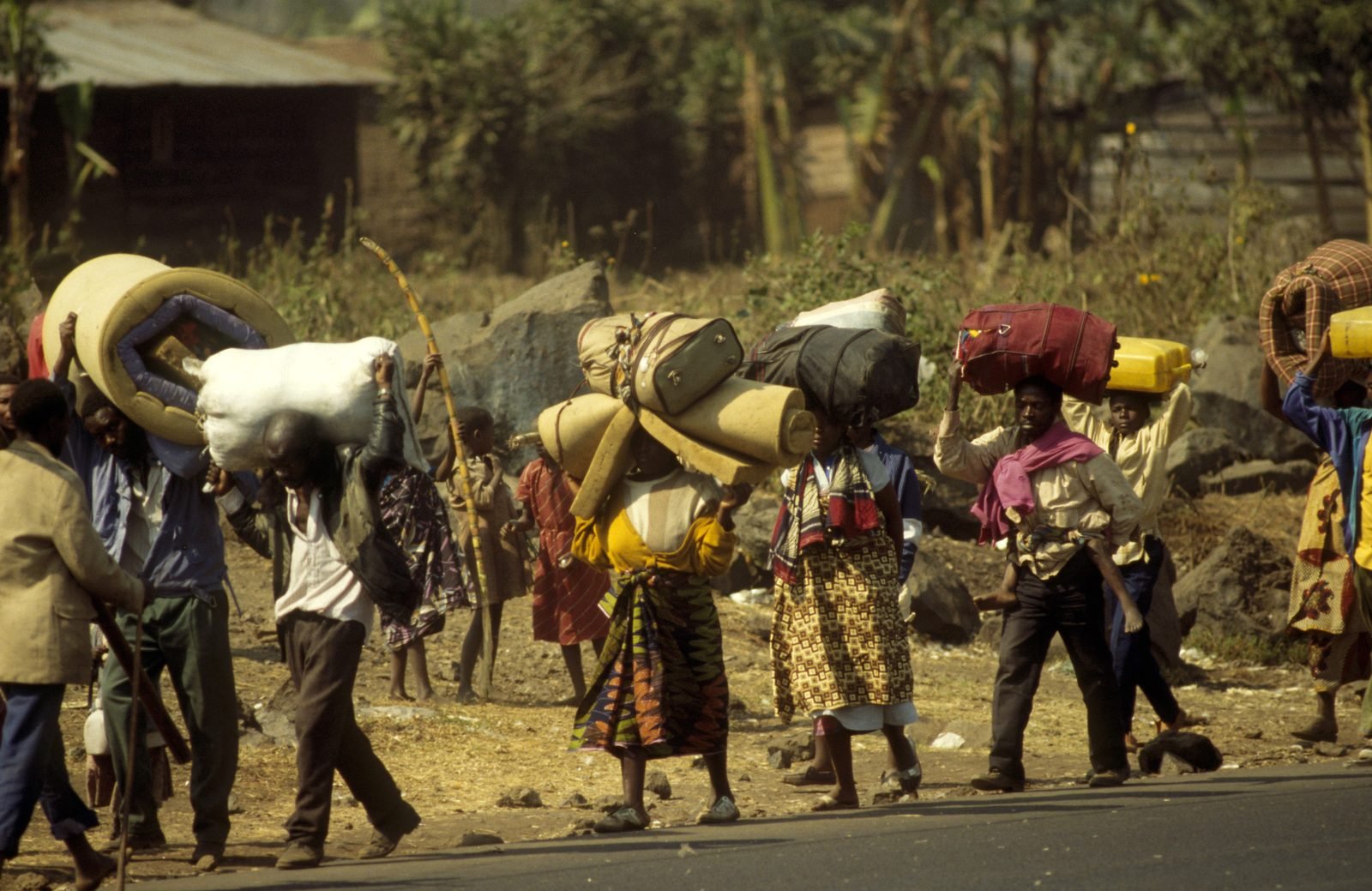
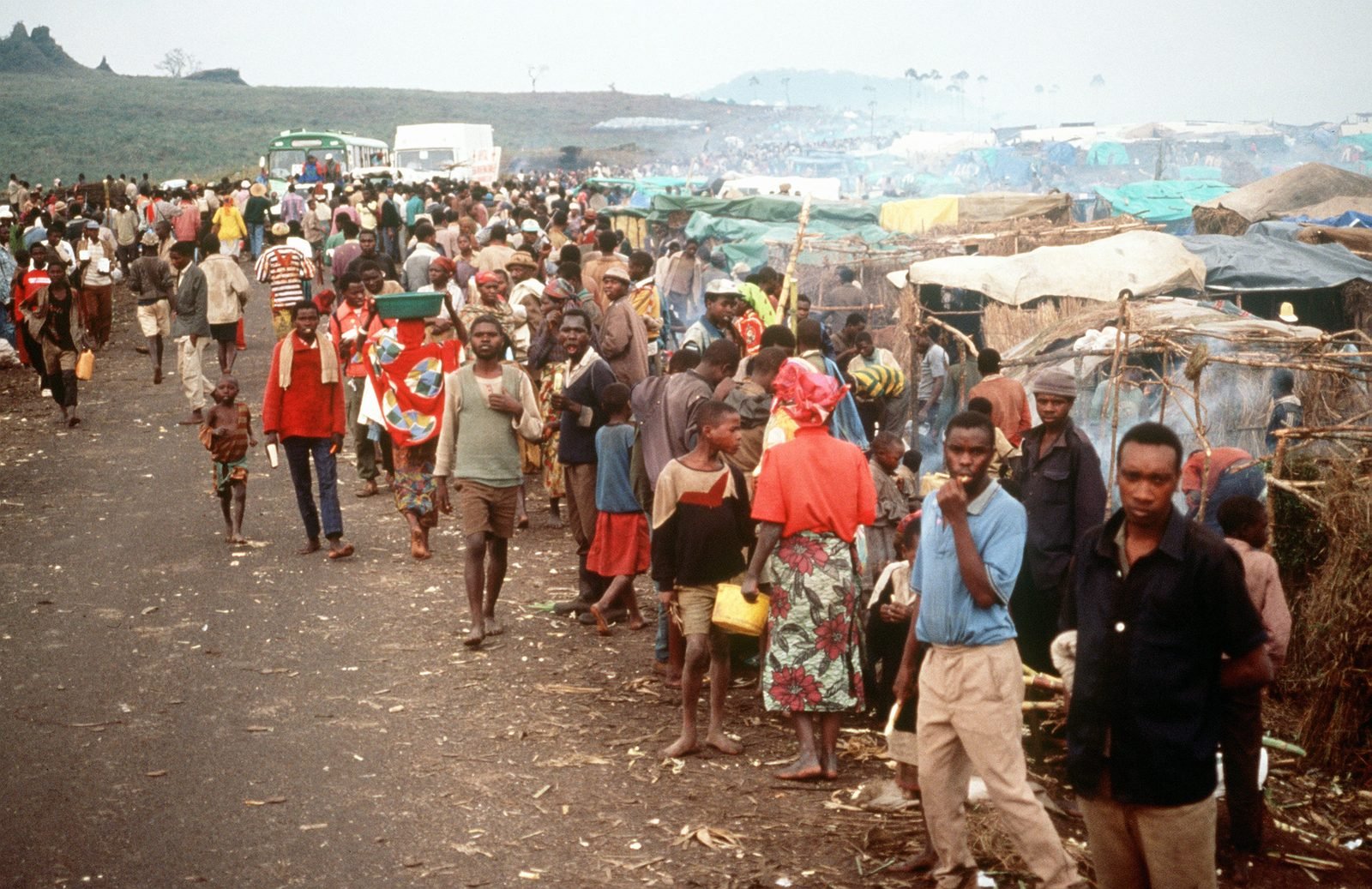
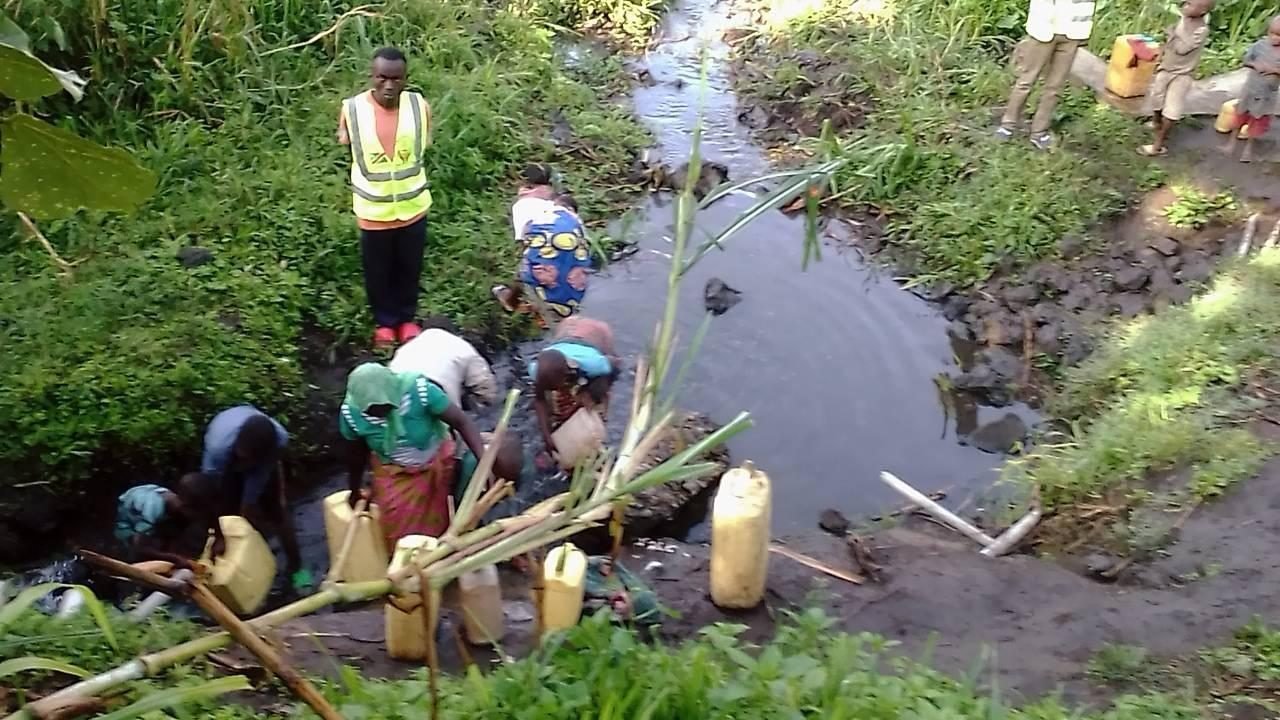
They arrived with what they could carry, onto a plain of volcanic rock with no wells, no latrines and no drainage. Camps went up within hours. Latrines couldn't be dug into the rock, so human waste stayed on the surface, and the only water was what people could carry from Lake Kivu and the streams running into it.
Cholera reached the camps within about a week. Over the following month it killed tens of thousands of people, most of them in the first few days of illness, and the dead were laid along the roads because graves couldn't be dug in the rock.
That epidemic wasn't caused by a shortage of doctors, medicine or money. Aid arrived quickly and in large amounts. It was caused by a lack of clean water and of any safe place for human waste.
Go deeper: where these historical figures come fromSources
The July 1994 movement into the Goma area and the cholera epidemic that followed are among the most heavily documented events in humanitarian public health. Epidemiologists worked in the camps at the time and published their findings afterward, and the response has been reviewed repeatedly since.
Published death tolls vary widely depending on the period counted and the camps included, which is why we give the figure as tens of thousands rather than a single number. The conclusion doesn't depend on the exact total. A displaced population placed on ground where water can't be protected and waste can't be buried will suffer an epidemic, and that remains true in Goma today.
Chapter three · 1996 – 2003
The Wars That Followed
The camps around Goma didn't last. In 1996 they were broken up by force, and the first of two wars in eastern DR Congo began. The second, from 1998 to 2003, drew in the armies of several neighboring countries.
Mortality surveys by the International Rescue Committee estimated that about 5.4 million more people died in the DRC between 1998 and 2007 than would have died in peacetime. Fewer than one in ten of those deaths was violent. Most people died of malaria, diarrhea, pneumonia and malnutrition, the result of dirty water, hunger and the collapse of basic health care.
Therefore, the work that saves the most lives in eastern DR Congo is also the most basic: clean water, health care and enough to eat, delivered close to where people live.
Go deeper: how reliable the war mortality estimate isSources
The International Rescue Committee ran five nationwide mortality surveys between 2000 and 2007, and its estimate of about 5.4 million excess deaths is the figure most widely cited. Other researchers have argued that the method overstates the total, and the true number is likely to remain uncertain.
However, the studies agree on the pattern, which is what matters for how aid is spent. Most deaths came from preventable disease and malnutrition rather than from violence, and they were concentrated in the east of the country, where North Kivu lies.
Chapter four · The present
Thirty Years of Displacement
Armed groups have formed, fought and re-formed across North Kivu for the three decades since. Each round of fighting forces families out of their villages, and many return later. Nyiragongo erupted again in May 2021, and hundreds of thousands of people left the city within days before returning.
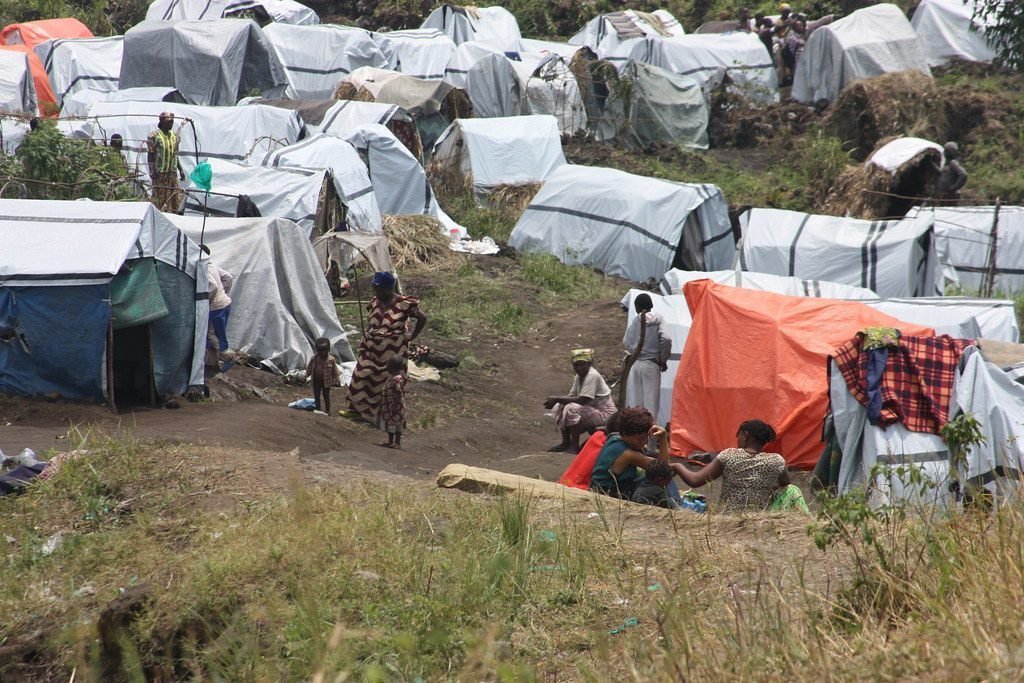
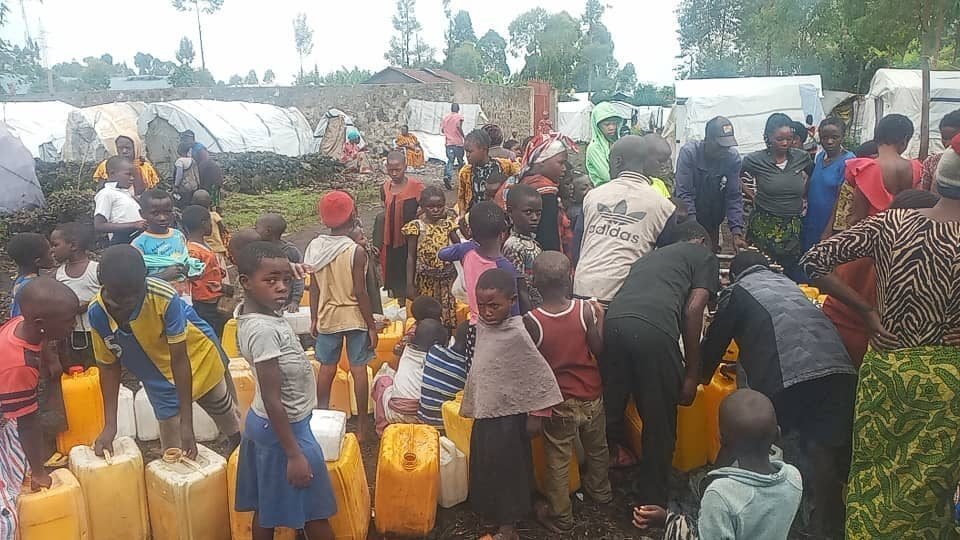
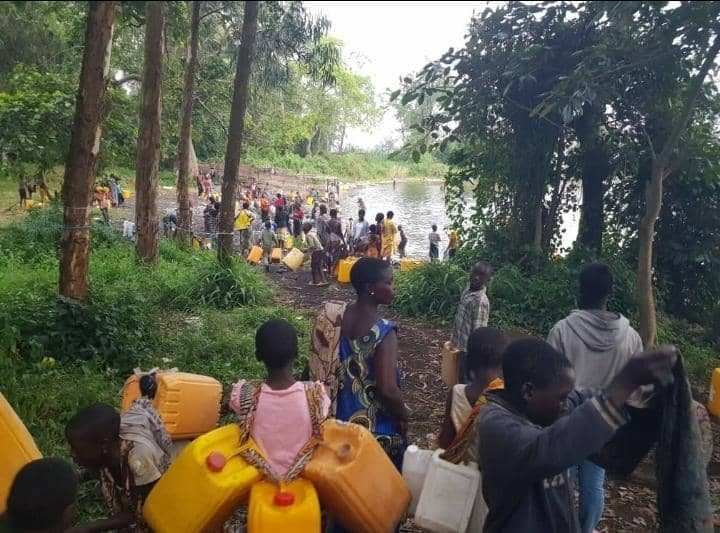
In January 2025 fighting reached Goma itself. The airport closed, and banks across North and South Kivu stopped operating, which is why funds for this work now travel by mobile money. More than four hundred thousand people are displaced across North Kivu today, and a displaced family doesn't arrive with just one problem. That's why our work covers eight.
Goma, 1994 to 2027
From the Camps to the Filters
Thirty years of Goma's history, and the first months of the PALPER and Clean Water Help filter program.
- 1994July
About a million people cross from Rwanda into the Goma area in a matter of days. Cholera kills tens of thousands within the month.
- 1996– 2003
Two wars in eastern DR Congo. Of an estimated 5.4 million excess deaths between 1998 and 2007, most come from disease and malnutrition.
- 2002January
Nyiragongo erupts. Lava crosses the airport runway and a large part of the city center.
- 2015
PALPER is founded in North Kivu by women and men who live there.
- 2021May
Nyiragongo erupts again. Hundreds of thousands of people leave the city within days.
- 2025January
Fighting reaches Goma. The airport closes and banks across North and South Kivu stop operating.
- 2025September
Martin Mashagiro writes to Clean Water Help asking to partner.
- 2026May
The first ten filters reach Goma by truck from Kenya.
- 2026June – August
PALPER installs all ten. Fifty households, about 250 people, now share them.
- 2026July
Residents of Kasika write to ask for more filters, storage containers and water closer to home.
- 2026September
Fifty more filters are approved. The first ten are paid for and on the road.
- 2027Goal
About 1,500 people once all 60 filters are in use, and about 5,000 people by the end of 2027.
In their own words
A Letter From Kasika
On 13 July 2026, a few weeks after the first filters were installed, the residents of Géomètre I Avenue in Kasika, a neighborhood of Goma, wrote to PALPER. The letterhead is in French and the letter itself in Congolese Swahili. Translated and abridged:
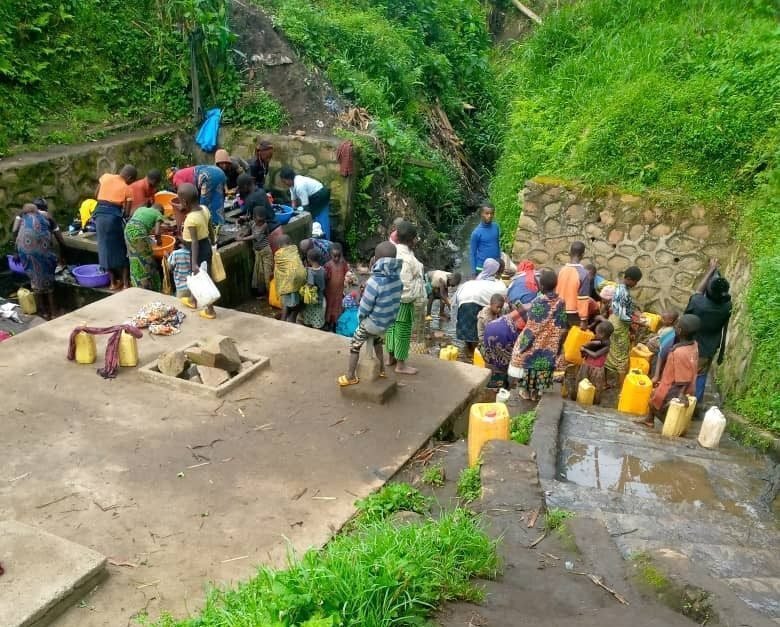
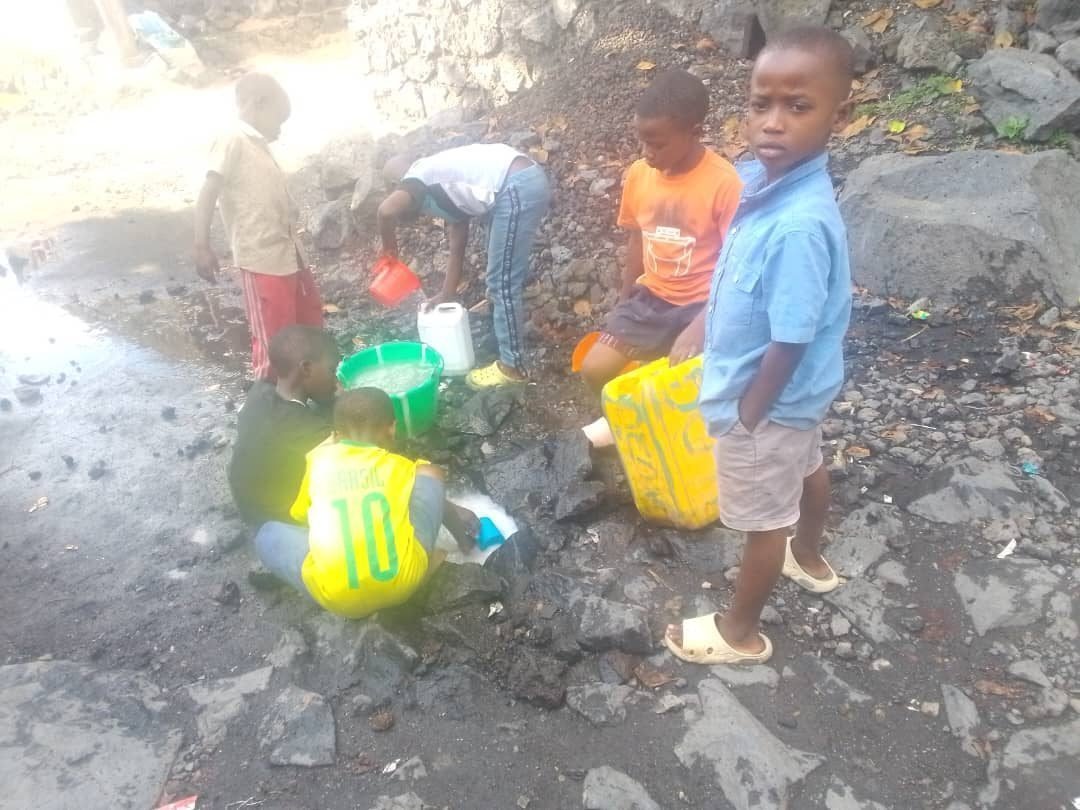
We, the residents of Géomètre I Avenue, give our sincere thanks for the water filtering project. We are a large population, the supplies are too small for everyone, and every resident hopes to receive a share. We need containers to collect and store water: jerrycans, drums, tanks and buckets. If possible, let us get water piped into our compounds. The current water outlets are too few, forcing people to walk long distances. Having water nearby will protect young women and mothers from violence, as they are the ones who walk far to collect water.
Signed by the avenue chief on behalf of the residents · Goma, 13 July 2026
The letter asks for three things in order: more filters, containers to store water safely, and water closer to home. Fifty more filters are on their way. Storage containers and a way to bring water closer to families are the next steps we're working to fund.
Chapter five · The work
Eight Programs for One City
Each program below exists because of a condition described above. The problem comes first in every case, and the program is built to fit it.
-
01
Clean Water, Because Wells Don't Work on Volcanic Rock
Volcanic ground rules out easy boreholes, so we treat the water families already carry. Ten shared filters now serve about fifty households across five Goma neighborhoods, and fifty more are on their way.
The clean water program → -
02
Health, Because 1994 Can Happen Again
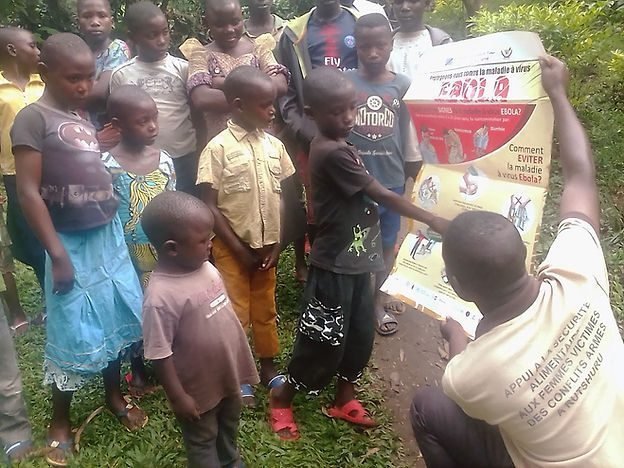
Cholera and typhoid break out every year where crowded, displaced families drink untreated water. Hygiene sessions and disease surveillance are the cheapest part of the response, and they happen before an outbreak starts.
The health program → -
03
Protection, Because the Walk for Water Is Dangerous
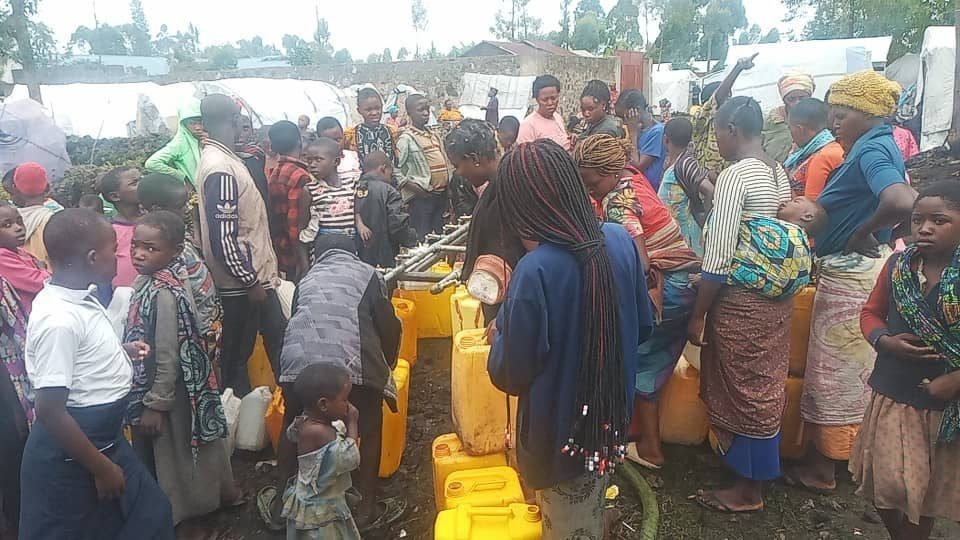
Collecting water falls to women and girls, and the risk rises with the length of the walk. Bringing safe water closer to a household is therefore a protection measure as much as a health one.
The protection program → -
04
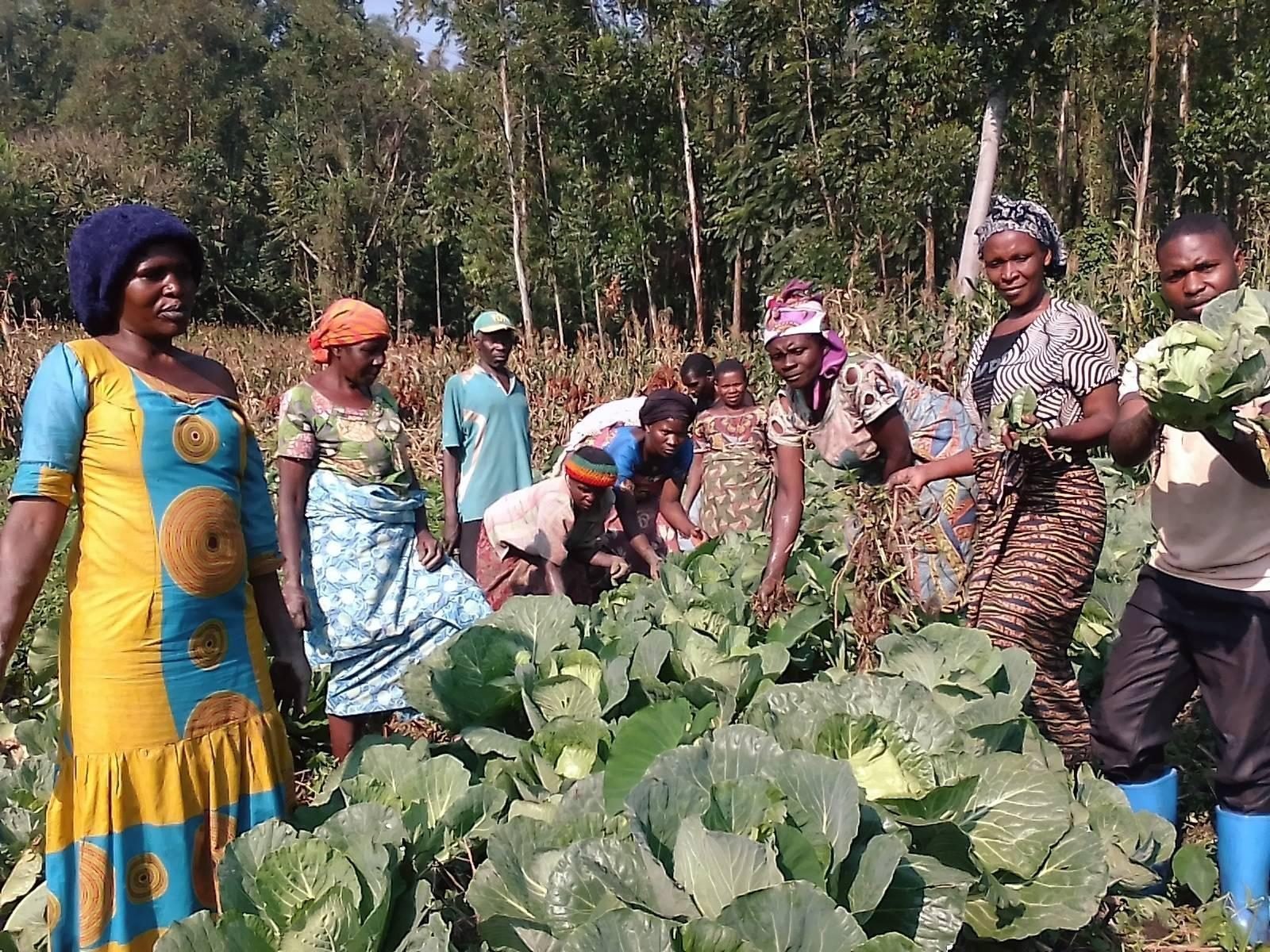
Food, Because the Land Is Rich and the Roads Are Broken
North Kivu has some of the most fertile soil in the region, so hunger here rarely comes from poor soil. It comes from conflict that drives farmers off their fields and cuts the roads to market.
The food security program → -
05
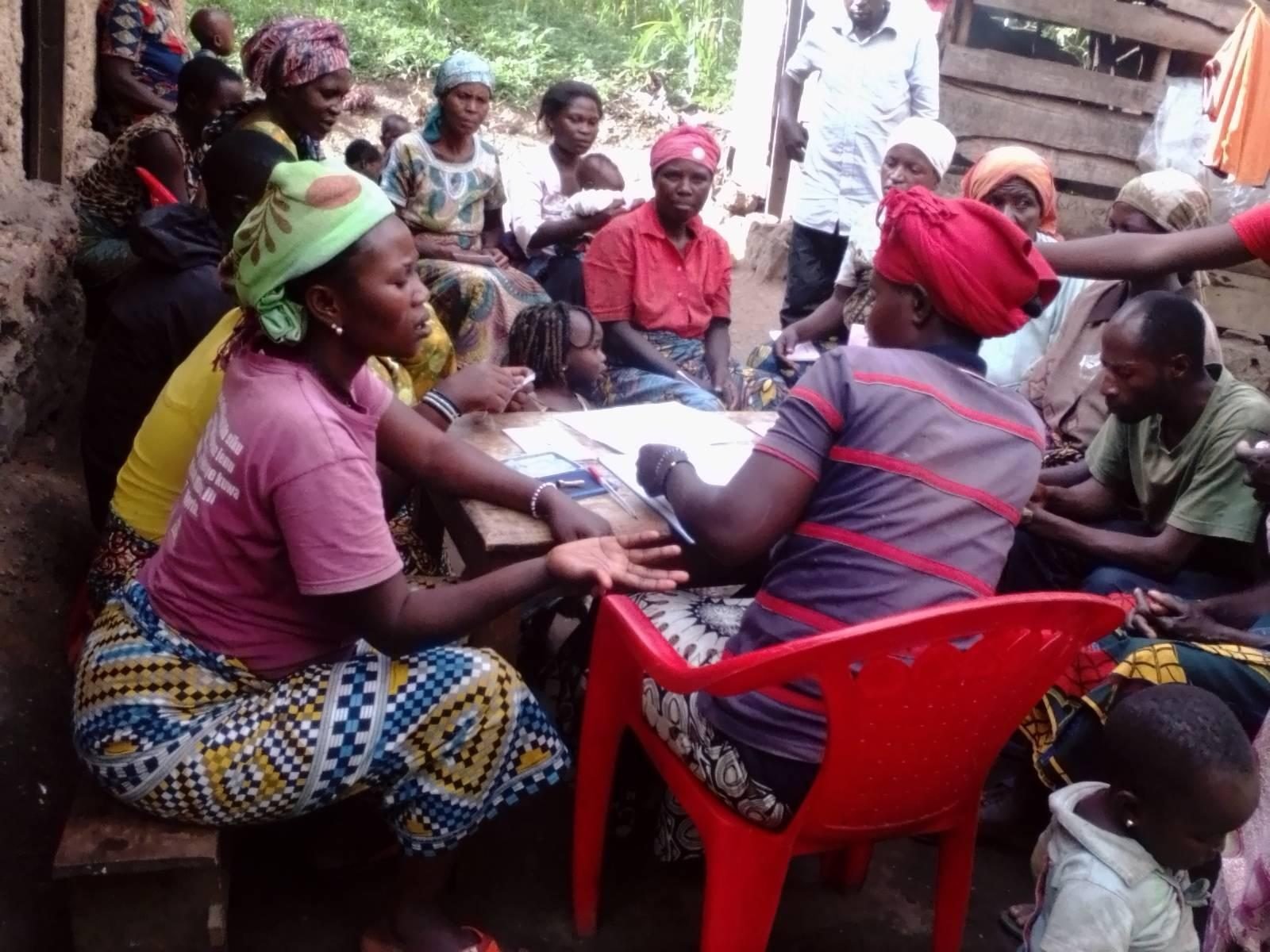
Savings, Because the Banks Are Closed
Commercial banking has been suspended across North and South Kivu through this conflict. Village savings and credit groups are how a trader restocks and a farmer buys seed when no bank will lend.
The microfinance program → -
06
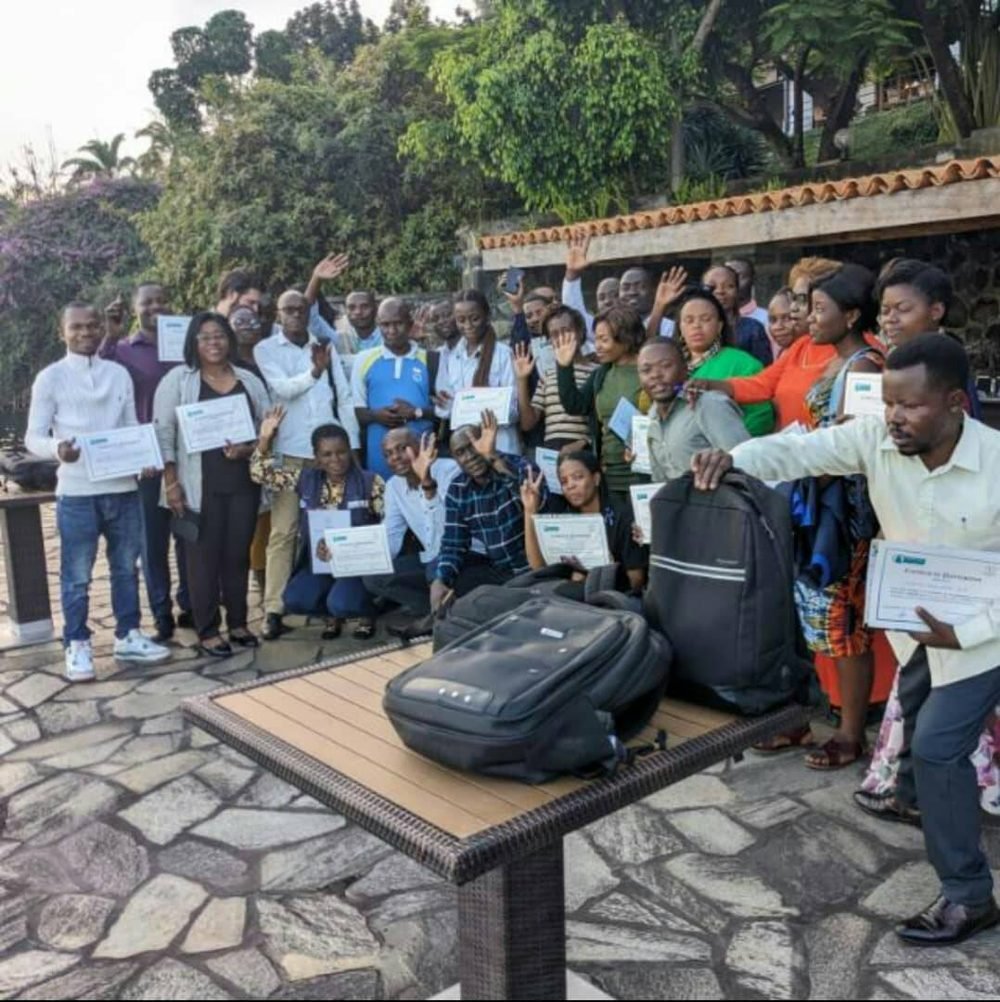
Education, Because Displacement Interrupts a Childhood
A family that moves three times loses years of a child’s schooling. Beyond classroom support, we sponsor five students through ULPGL in civil engineering and public health, the skills this city needs to rebuild its water and health systems.
The education program → -
07
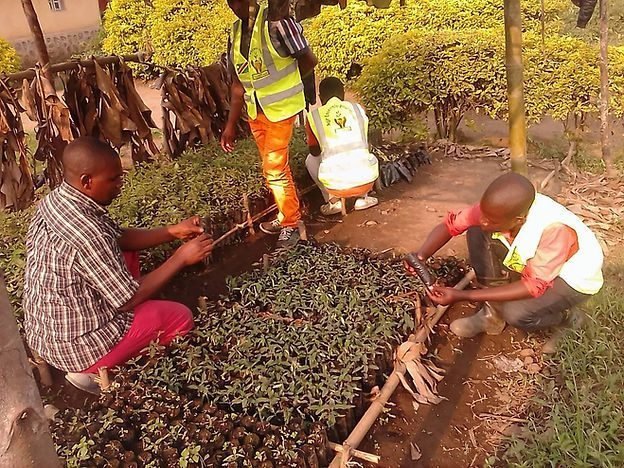
Environment, Because Displaced Families Cook With Charcoal
A displaced family cooking with charcoal needs wood, and the nearest wood grows on the hillsides around Virunga National Park. Therefore, reducing poverty and protecting the forest have to happen together.
The environment program → -
08
Research, Because We Measure Before We Build
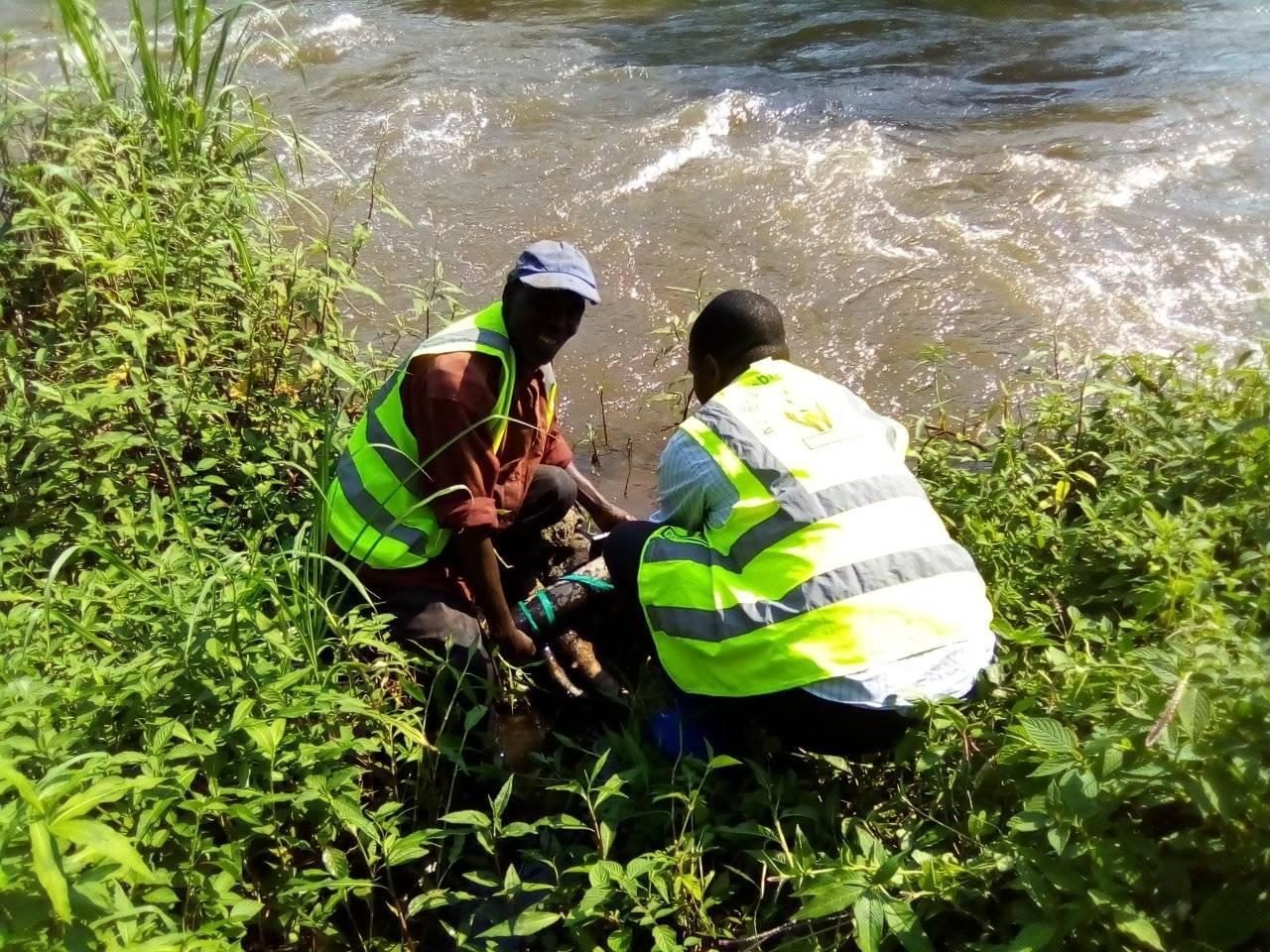
Before the filter program we walked the Rwanguba health zone and counted water sources one by one. Of 174 identified, 11 were developed and working, which is why the program began with treatment rather than construction.
The research program →
Chapter six · The answer
Why It Has to Be Local
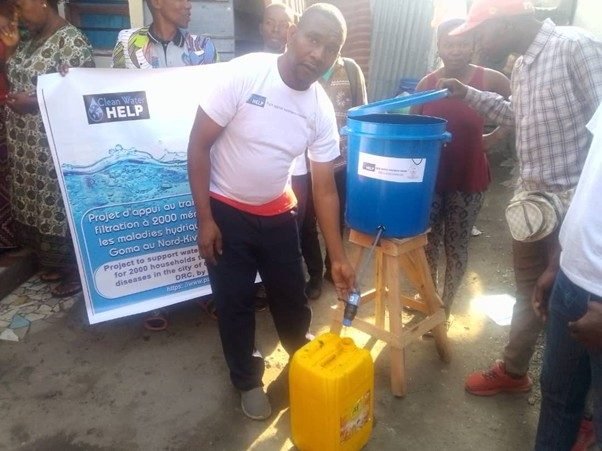
Choosing which five households share a filter requires knowing who on a street is most vulnerable and who will maintain the equipment. Working in a conflict zone requires relationships with local authorities that take years to build. Training a family to backwash a membrane requires speaking the language they use at home.
PALPER was founded in North Kivu in 2015 by women and men who live here. Forty-seven of us now work across the province. Forty-six hold university degrees, and all of us live in the communities we serve.
Change in the humanitarian system begins with a vision carried by local actors.
Martin Mashagiro, President, PALPER asbl
In September 2025 Martin wrote to Clean Water Help, a United States nonprofit of volunteer scientists and engineers, asking to partner. The first video call dropped on a poor connection, so the two teams moved to WhatsApp and have worked that way since. Clean Water Help designed the filter program and funds it, takes nothing for overhead, and writes grant applications in PALPER's name. PALPER runs every system on the ground.
Families in Goma now call the filters chombo ya maajabu, Swahili for “instruments of wonder.”
What happens next
Fifty More Filters Are on Their Way to Goma
The households have already been identified. About $80 installs one filter shared by five families, roughly 25 people, and the same gift buys the training that keeps it working. Gifts are received by Clean Water Help, a United States 501(c)(3), and every dollar goes to the program.
PALPER asbl is a registered Congolese non-profit, N° JUST./SG/20/1170/2018.
Photograph Credits
Photographs of PALPER's work are our own. The 1994 and 2002 archive photographs and the views of Lake Kivu are published under open licenses:
- Rwandan refugees walking into Goma, 1994. US Department of Defense, public domain.
- Kibumba camp at Goma, 1994. TSGT Val Gempis, CC0.
- Refugee camp near Goma, 22 August 1994. US National Archives, public domain.
- Lava across Goma airport runway, 2002. Radio Okapi, CC BY 2.0.
- Goma and Rubavu on Lake Kivu. Ericnkurunziza, CC BY-SA 4.0.
- Sunset on Lake Kivu. Michael Walsh, CC BY 3.0.