Priority 04
Protecting the Vulnerable
Safety, dignity and a way forward.
Protection means helping people affected by conflict find shelter, support and a place in community life.
Displacement brings more than the loss of a home
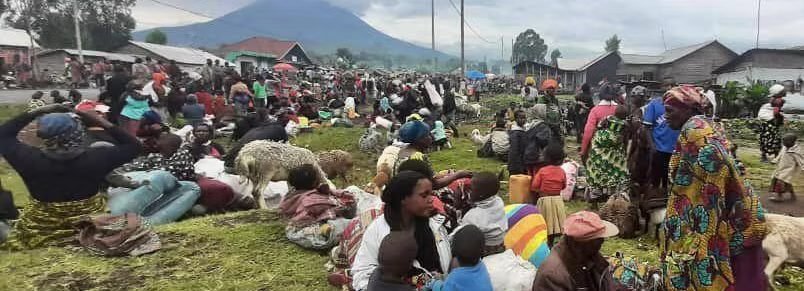
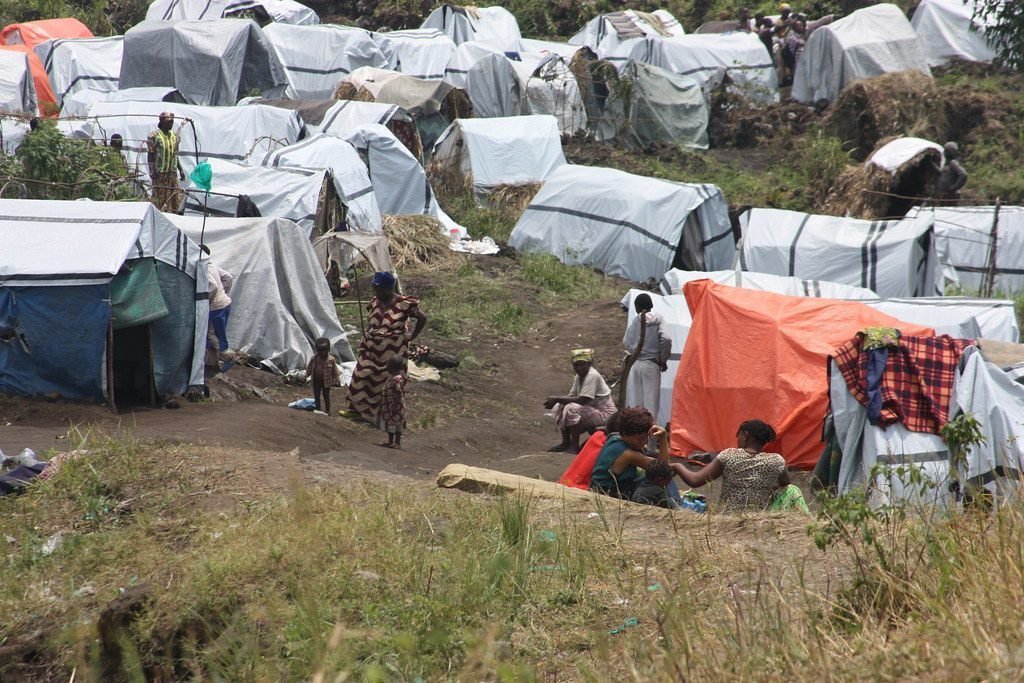
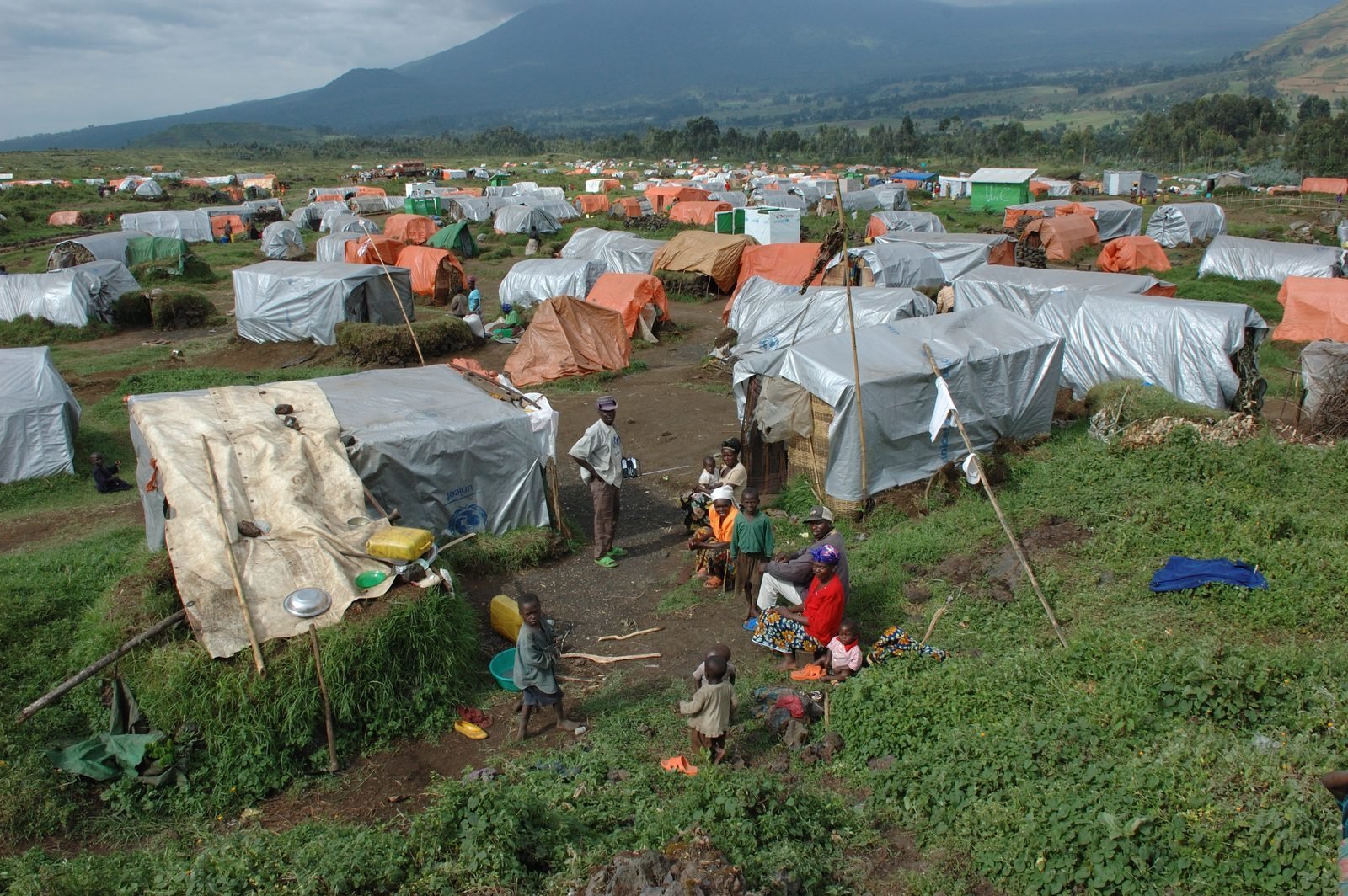
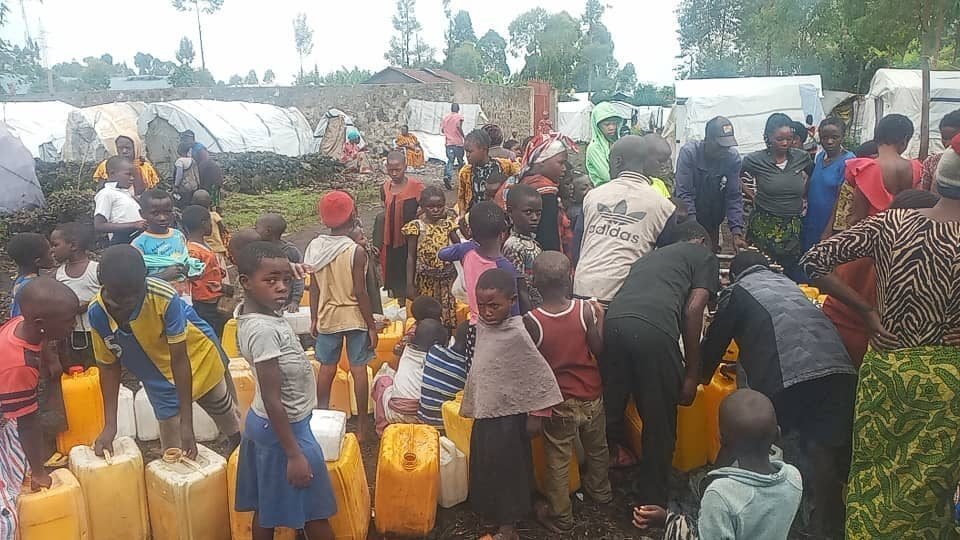
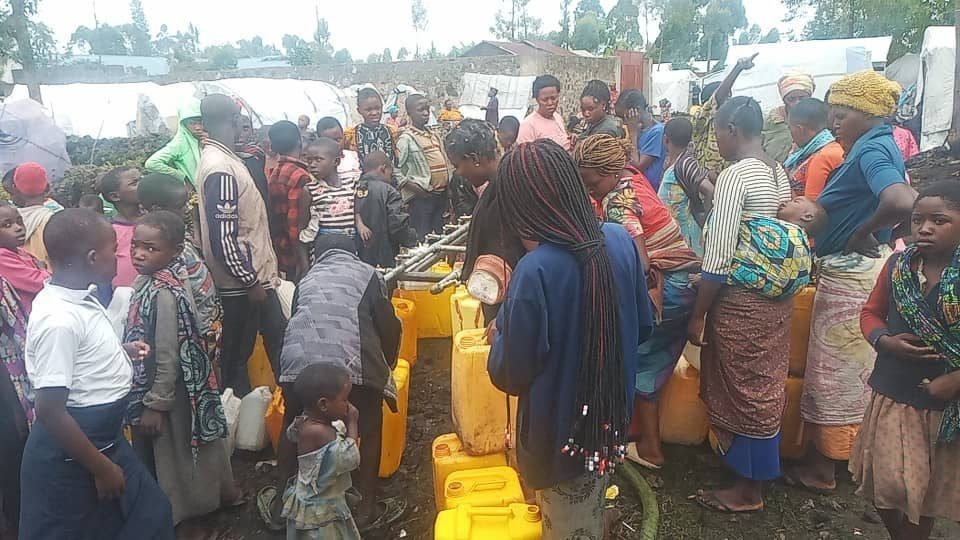
When families flee, familiar sources of protection can disappear: relatives, neighbours, schools and reliable services. Displacement in eastern DRC can expose children to separation, exploitation, violence and psychological distress. Women and girls also face particular risks when essential tasks, including collecting water, take them far from safety.
Context: UNICEF · December 2025
Why it matters
An emergency response must protect privacy and dignity as well as meet material needs. People need a way to seek help, rebuild supportive relationships and regain choices about their future.
What PALPER does
Our protection priorities include safe shelter for displaced families and people returning to damaged homes, psychosocial support for those affected by violence, and vocational reintegration for young people leaving armed groups. These priorities connect immediate safety with a return to community life.
Protection also shapes how we deliver assistance. PALPER’s assistance is free, staff and volunteers sign a Code of Conduct, and residents can raise concerns in writing or through community representatives. Our water work also addresses the risks women and girls face on long collection journeys.
What more we can do
Further partnerships could strengthen shelter support, access to psychosocial care and pathways into practical training and livelihoods. These efforts should be planned with communities and qualified services, with people’s safety and dignity guiding what is shared publicly.