Priority 05
Health & Disease Prevention
Prevention close to home. Care within reach.
Water, hygiene, disease prevention and access to treatment are connected parts of a healthier community.
When everyday conditions increase the risk of disease
Unsafe water and disrupted services make illness harder to prevent and treat. In North Kivu, displacement and insecurity add to those pressures. Overlapping outbreaks, including cholera, measles and mpox, can stretch services further, just when families face greater difficulty reaching care.
Context: WHO · June 2025
Why it matters
Preventing an infection can protect a household’s health, time and income. When someone does fall ill, knowing where to seek help and being able to reach appropriate care matter just as much.
What PALPER does
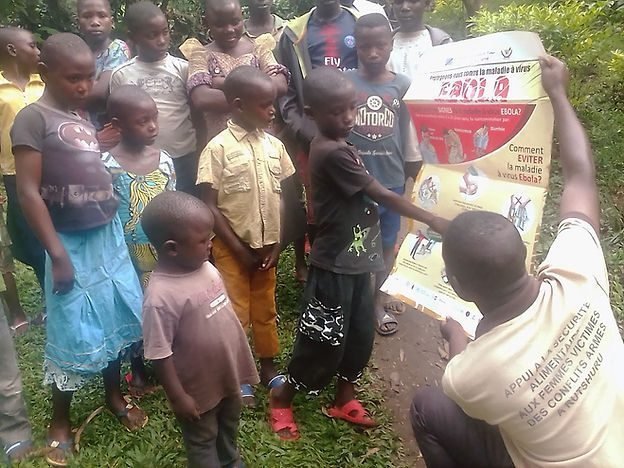
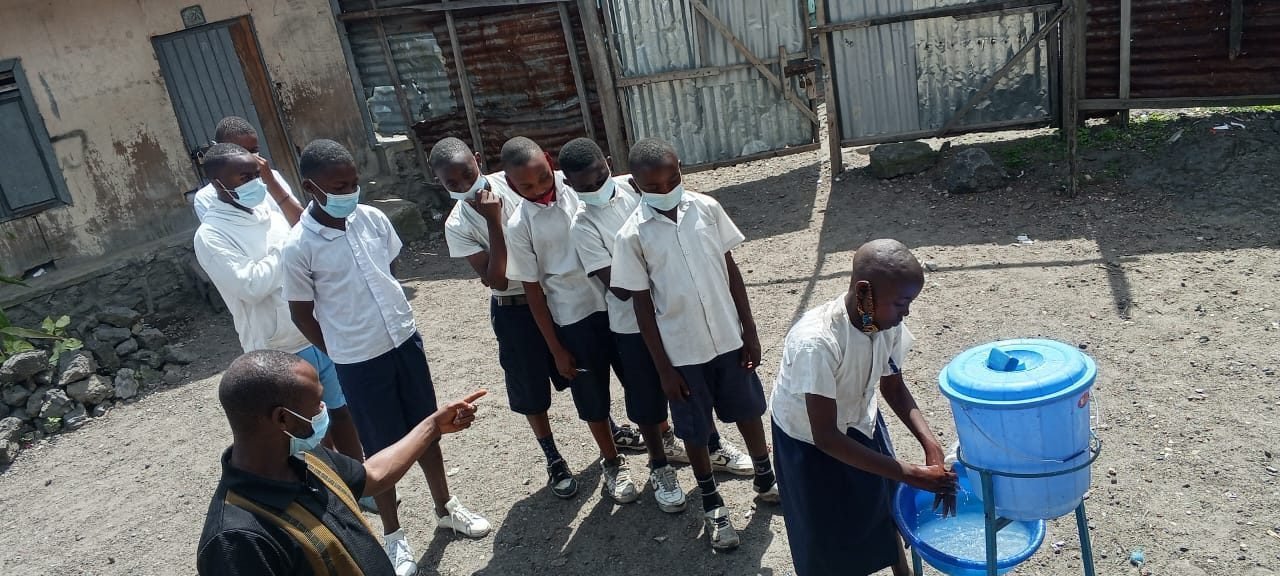
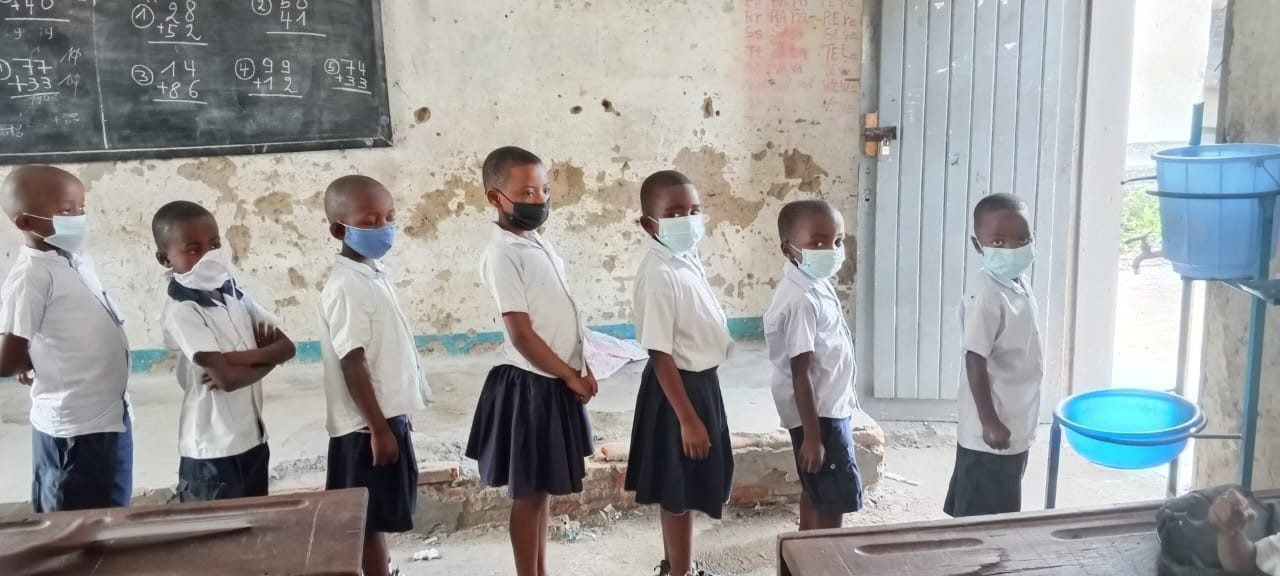
PALPER connects community hygiene education and disease-prevention activities with its water work. Our health priorities include disease surveillance, vaccination activities and helping people affected by waterborne illness reach treatment. Local communication helps turn health information into practices people can use in daily life.
Our wider priorities also include essential medicines, diagnostic equipment and support for local health facilities. These needs sit alongside prevention: a community needs both fewer infections and services able to respond when illness occurs.
What more we can do
Additional support could strengthen community outreach, training for prevention teams and the links between water activities and local health services. We welcome partnerships that help improve access to essential supplies and care, with roles agreed alongside the health services involved.