Priority 03
Food Security & Safety
Food for today. A harvest for tomorrow.
Emergency food assistance and agricultural recovery belong together: families need to eat now and regain the means to feed themselves.
Why a fertile region can still go hungry
In North Kivu, hunger is not simply a shortage of land that can grow food. Conflict forces farmers away from their fields, disrupts planting and breaks the routes between villages and markets. Families lose crops, livestock and income. For people buying food in Goma, interrupted supply and high prices can put an adequate meal out of reach.
Context: FAO & WFP · 2026 · WFP / PAM
Why it matters
Food aid answers the immediate crisis. Recovery also depends on getting a crop into the ground at the right time, keeping part of the harvest from spoiling and being able to sell what remains. Missing a planting season can prolong dependence on assistance.
What PALPER does
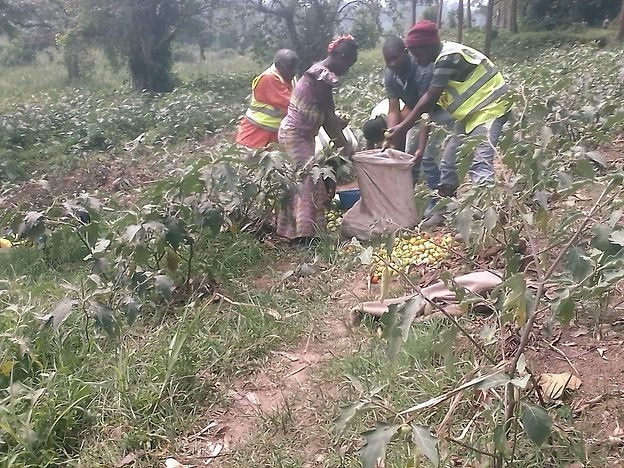
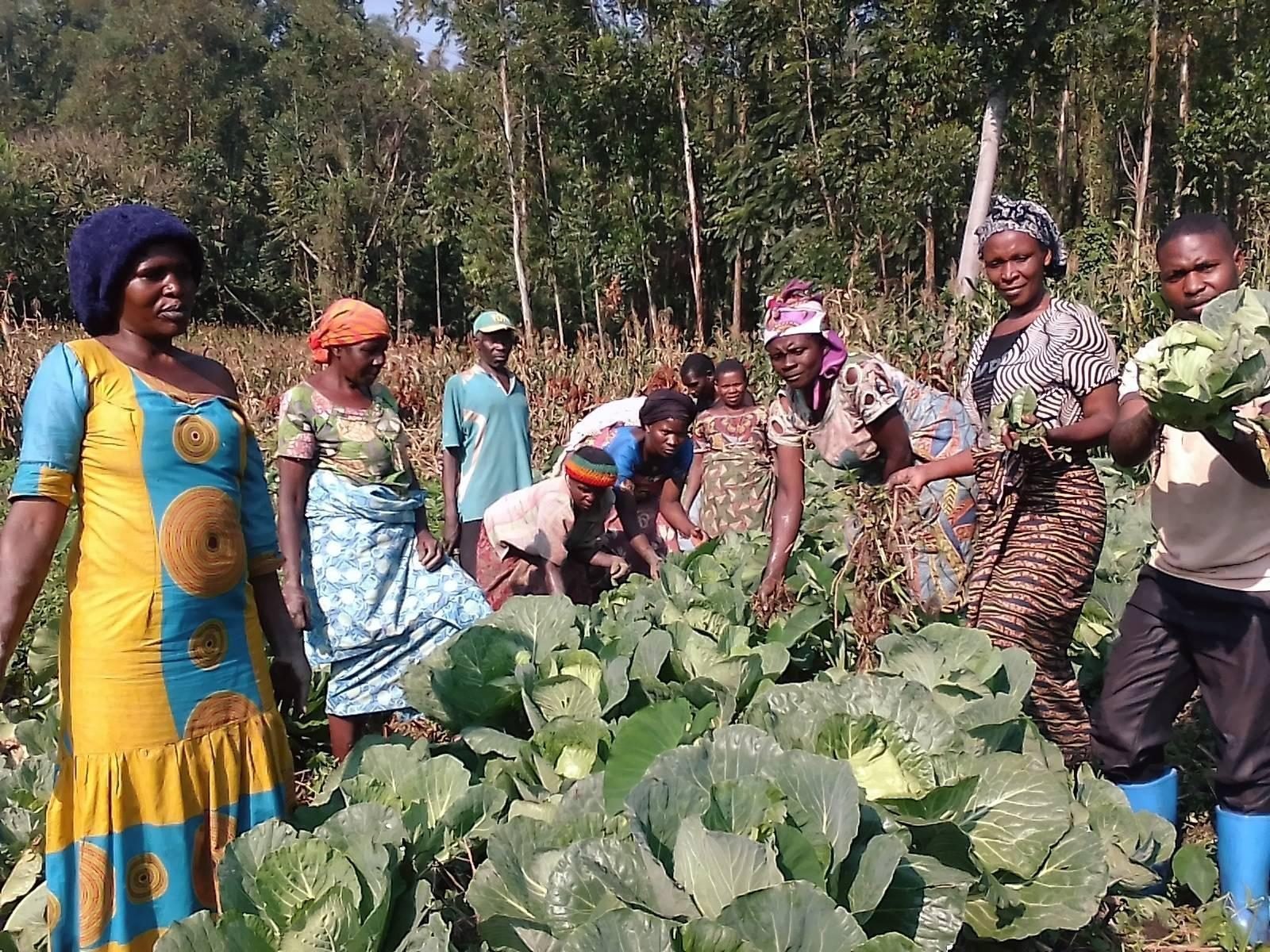
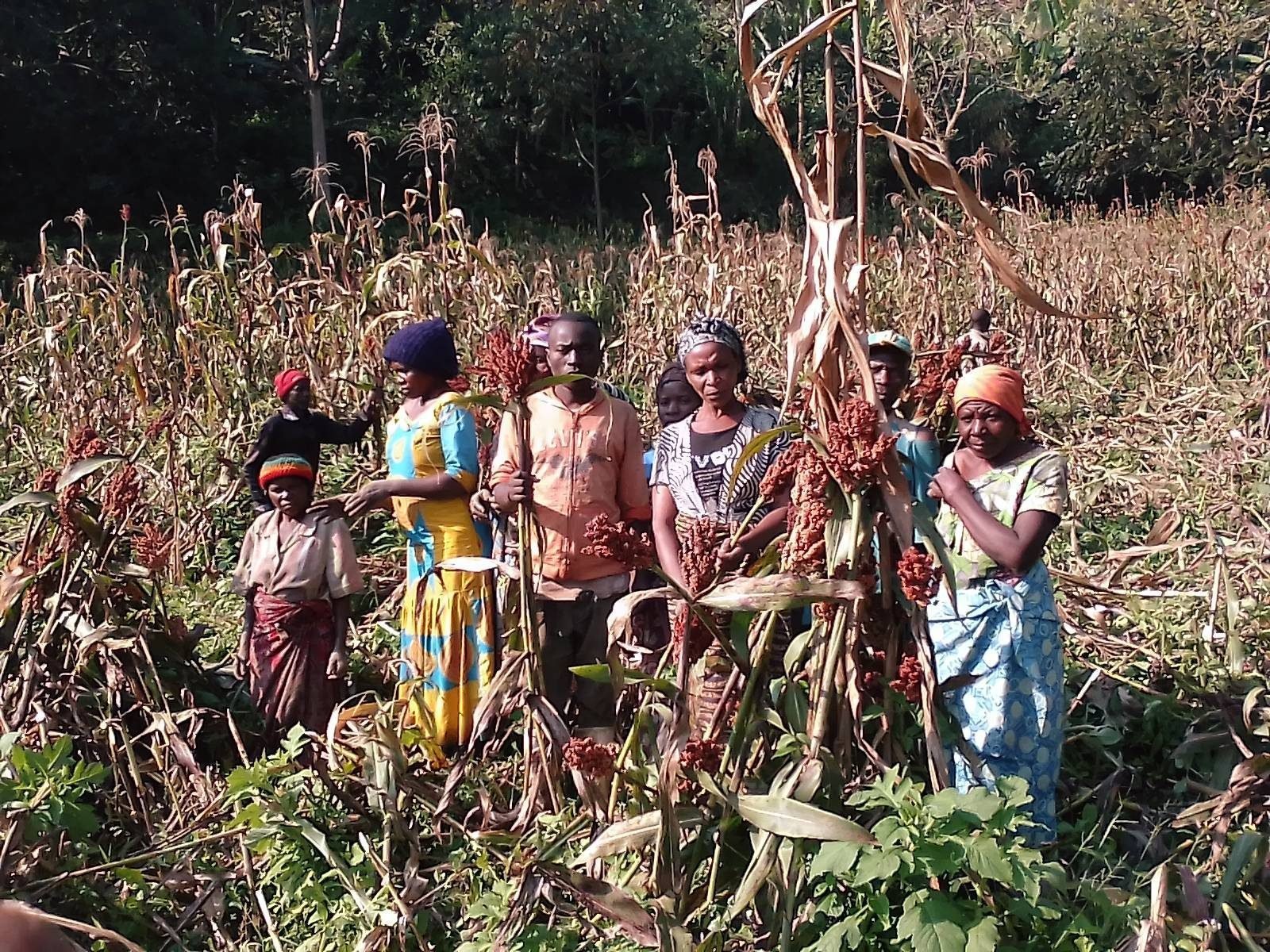
PALPER’s food-security priorities combine assistance for families affected by war with support for agricultural production. Quality seeds, farmer training and demonstration fields help connect practical knowledge with the next growing season. Crop diversification, storage and processing are part of the same approach.
A productive field also needs a route to market. Our recovery priorities include rehabilitating agricultural roads and supporting local livelihoods, so rural producers can reach buyers and earn from their work.
What more we can do
Partners can help connect immediate food support with the next harvest: seeds and tools delivered in time, practical farmer training, better storage and access to markets. Project planning should consider local water availability and crop health, so support matches the conditions farmers actually face.