Accountability
Check Our Work.
PALPER works in a place most funders can't visit. Donations for our clean water program are therefore received and recorded by a registered United States nonprofit, and every purchase we make in Goma is photographed with its receipt and reported in writing.
How a Donation Reaches a Household in Goma
Funds pass through four documented steps. Each one produces a record a funder can ask for.
-
You Give to Clean Water Help
Clean Water Help is a United States 501(c)(3) public charity, EIN 99-0765687. Gifts are received and recorded there, in a country that publishes charity tax filings.
-
Nothing Is Taken for Overhead
Nobody at Clean Water Help is paid. Its founders cover every operating cost personally, so the full amount is available for the field.
-
Funds Reach PALPER in Goma
Banking is suspended across North and South Kivu, so funds travel by mobile money, the system Congolese businesses use. PALPER has been screened against United States sanctions lists.
-
PALPER Documents What It Buys
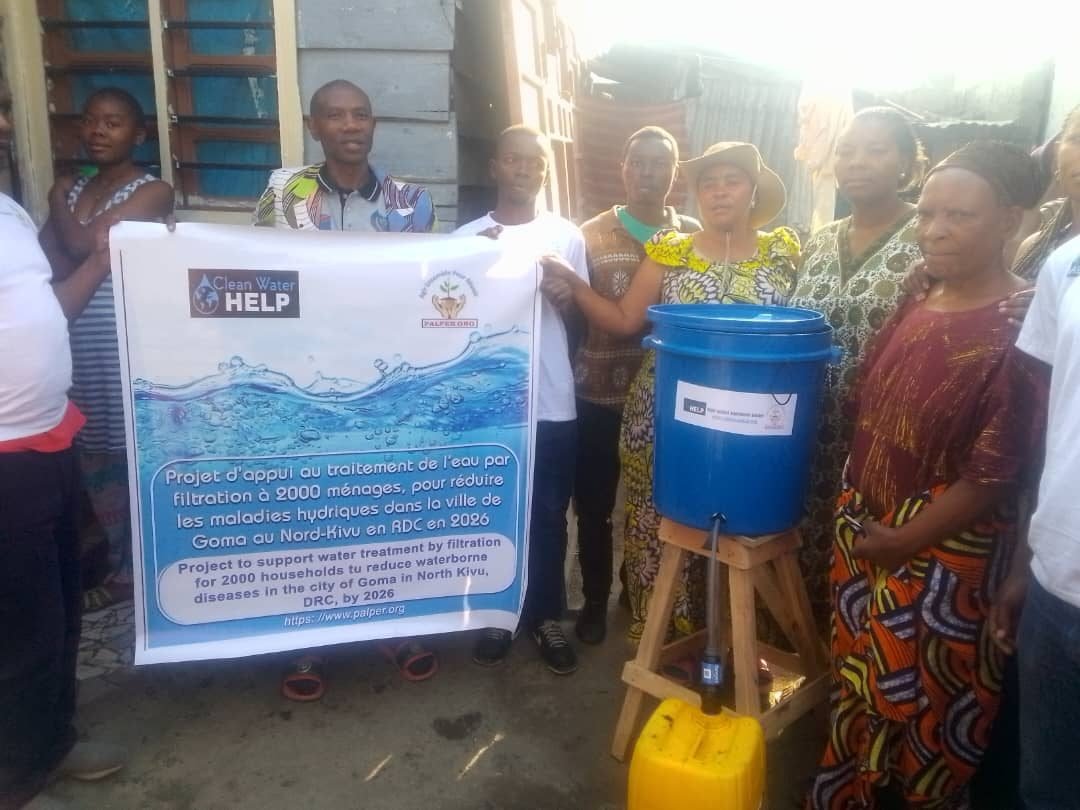
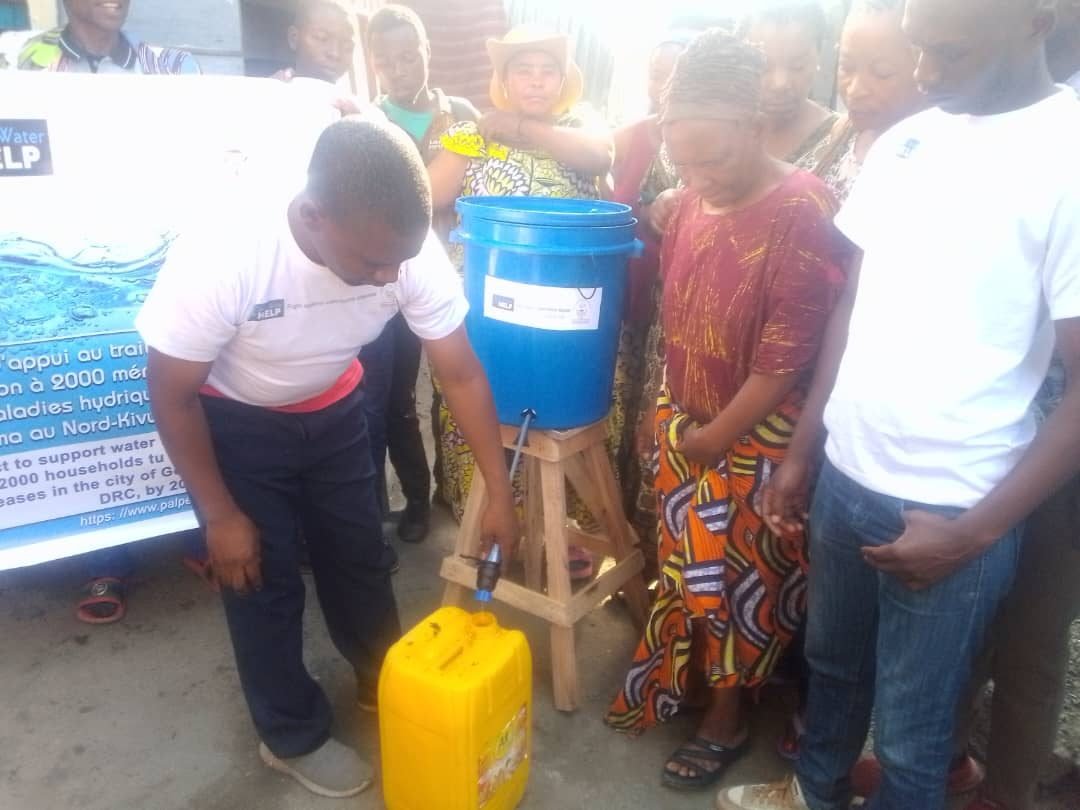
Every purchase is photographed with its receipt, down to the buckets and the filter stands, then filed in a written activity report. PALPER has filed a report for every round of funding it has received.
The United States Nonprofit That Funds and Checks This Work
Clean Water Help is a volunteer-run United States 501(c)(3) nonprofit. It supplies the water science, the treatment design and the funding for our clean water program, and it built and hosts this website. PALPER runs every system on the ground.
For a funder assessing PALPER, this has a practical consequence. A gift can be made and receipted inside the United States, and the organization receiving it publishes its own governance documents and tax filing.
Clean Water Help publishes its Form 990, bylaws, financial policies and conflict of interest policy in full. Its board and technical advisers include university researchers, professional engineers and public health specialists, who review the designs used in Goma.
Go deeper: what the partnership divides between usPartnership
PALPER selects the households, installs and maintains the equipment, trains every family in the local language, holds the relationships with local authorities, and writes the field reports. Clean Water Help diagnoses the water problem, chooses and pays for the technology, writes the monitoring protocols in French and English, and helps raise funds.
The arrangement is deliberately one-directional. As PALPER's capacity grows, the partner's role shrinks. Grant applications are written in PALPER's name, so the funding relationships belong to PALPER rather than to an intermediary.
The People Behind the Filter Program
PALPER's team in Goma selects the households, installs every filter and trains the families who share it. Clean Water Help's volunteer scientists and engineers in the United States designed the program, wrote its monitoring protocols and fund it. Nine of the Clean Water Help team on this project hold doctorates and three are licensed professional engineers.
PALPER · Goma, North Kivu
Leadership and the clean water and sanitation team
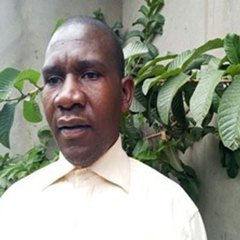 Martin MashagiroPresident
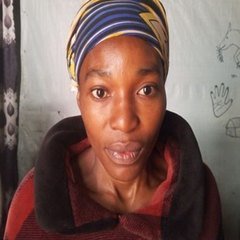 Mimi AngéliqueVice President
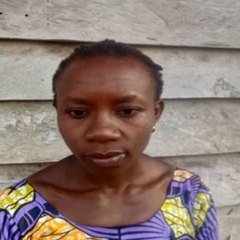 Kahindo Sikuli EsperanceTreasurer
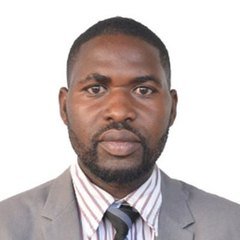 Omar JadisProject Coordinator
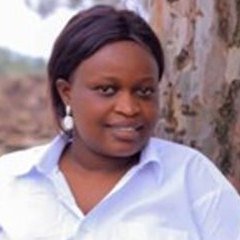 Florence OmbeniWASH Officer
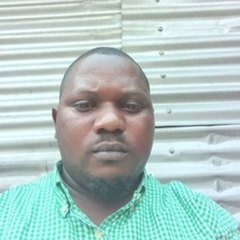 Nganza HabyarimanaWASH Program Specialist
 Marc HakizimanaDrinking Water Analyst
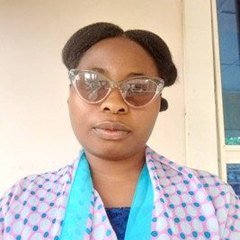 Angélique RwanganoWASH Microbiological Analyst
Clean Water Help · United States
The volunteer team on the DR Congo project. Nobody on the team is paid.
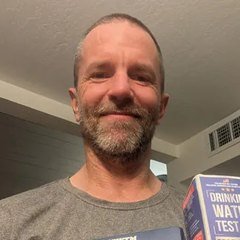 Stephen McCord, PE, PhDFounder and President
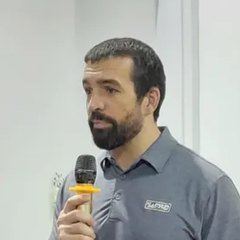 Byran Fuhrmann, MBA, PhDFounder and Executive Director
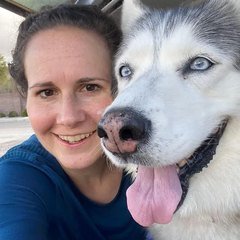 Deena Hannoun, PhDFounder, Vice President and Secretary
 George Kajjumba, MBA, PE, PhDLead Operations Engineer
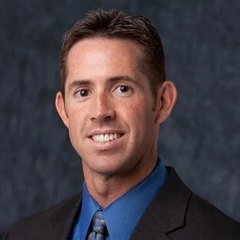 Daniel Gerrity, PE, PhDMicrobiology and Water Treatment
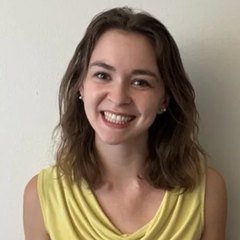 Emily Clements, PhDWater Treatment and Reuse Engineer
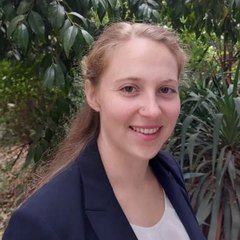 Ruth Thirkill, PhDEnvironmental Scientist and Engineer
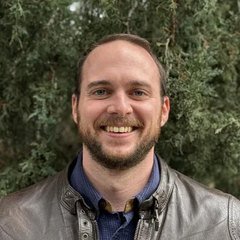 Gaitan Géhin, PhDHeavy Metals and Bioremediation
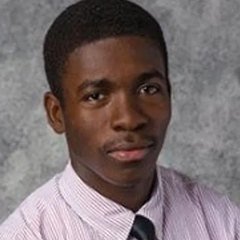 Louis Amegbletor, PhDWater Ambassador, Africa
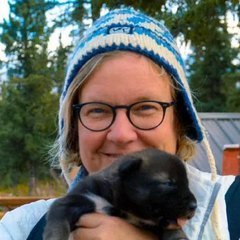 Karie HoltermannPathologist and Microbiologist
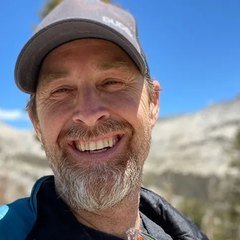 Jonathan MartinHydrology and Water Resource Planning
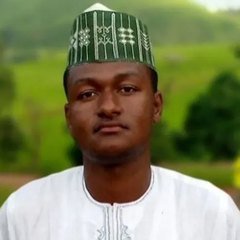 Bashir MijinyawaEcologist
 Greg PageLead Project Manager
 Diro KhepriGlobal Engagement Leader
All 47 PALPER staff and volunteers → · All Clean Water Help volunteers →
What PALPER Runs On
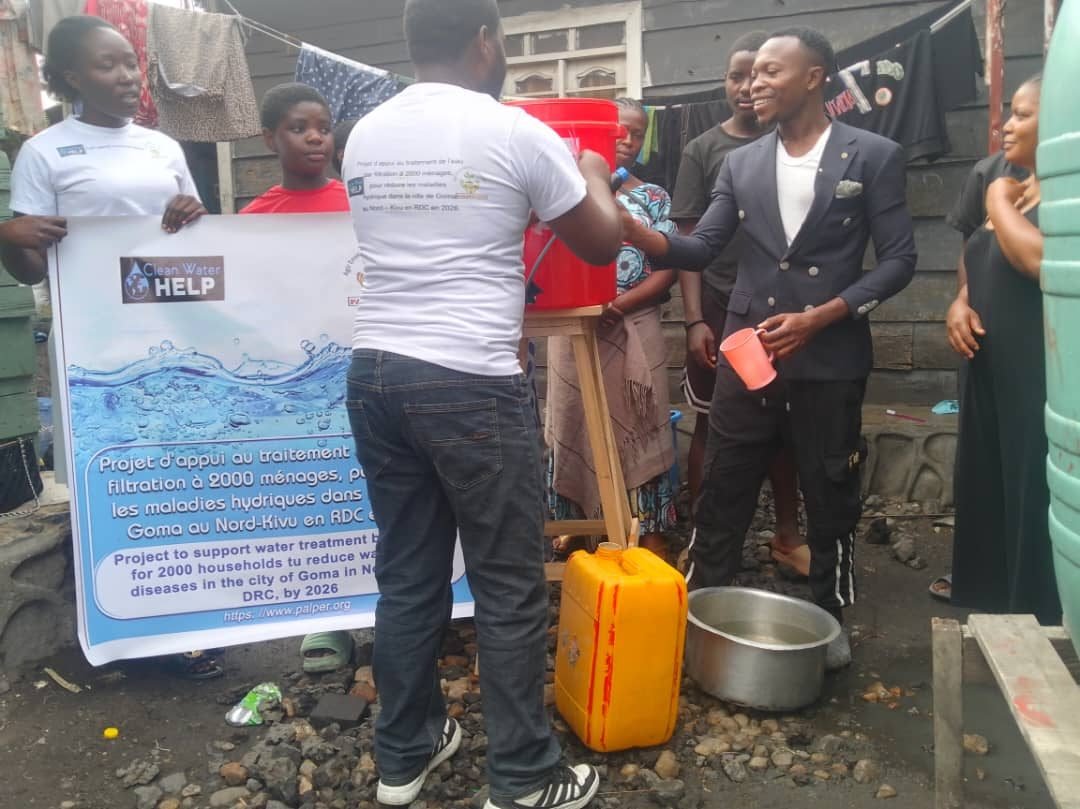
PALPER owns no vehicles. Staff reach the neighborhoods on foot, by motorbike taxi and by hired transport, and that transport is itemized in the activity reports alongside the buckets and the filter stands.
The organization's largest cost is its own staff, because the work itself is labor. Repairing a spring means walking to it, digging the catchment, laying the pipe, and returning weeks later to train the water committee in maintenance. In North Kivu there's no contractor available for that work, nor for training a farming cooperative or supporting a survivor of violence.
Go deeper: what PALPER pays its staffFinances
The highest salary in the organization is $500 per month, and that ceiling applies to every position, including the president. Volunteer stipends begin at $200 per month. Of the 47 staff and volunteers, 46 hold a university degree and two hold a master's.
In Goma these are competitive professional wages for qualified staff who could earn more elsewhere. We publish the ceiling rather than an organizational total because our full annual accounts, across all funders, are still being consolidated for independent review.
Go deeper: how money moves when the banks are closedFinances
Commercial banking has been suspended across North and South Kivu through the current conflict. Transfers reach Goma by mobile money, which is how Congolese businesses and humanitarian organizations operate under the same conditions.
This limits the speed and size of a single transfer. It doesn't limit the documentation. Each purchase is photographed with its receipt, and each phase of work ends with a written report listing what was bought, what it cost, and where it went.
Every Figure on This Site Has a Source
Ask us about any number we publish and we'll send you the document it came from. Most of them are already public. The two filter phase reports below list every household served and every dollar spent, including the receipts.
Where a figure is a target rather than a result, we say so in the sentence that carries it. Our 2026 goal of reaching about 1,500 people once all 60 filters are installed is a plan. The 50 households sharing the first ten filters are a count from the field.
Go deeper: the source for each published figureSources
| Figure | Source |
|---|---|
| 10 filter stations installed | PALPER phase reports, 16 July and 13 August 2026 |
| 50 households sharing them | The same two phase reports |
| About 250 people drinking filtered water | 50 households at about five people each |
| About $80 per filter, delivered and installed | Clean Water Help payment records: filter, transport, materials and training |
| 50 further filters ordered | Partner board approval, September 2026. The first ten are paid for and in transit |
| 5 scholarship students enrolled | Signed sponsorship agreements and ULPGL enrollment. Classes begin 15 October 2026 |
| $1,500 per scholarship, per year | $500 tuition, $100 books and $900 living costs over nine months |
| 47 staff and volunteers | PALPER roster. 45 are named with photographs on the team page |
| 11 of 174 water sources working, Rwanguba | PALPER's own survey during project planning |
| 400,000+ people displaced, North Kivu | Humanitarian reporting. We're confirming the exact date and scope of this count |
Document Library
Everything a donor, funder or partner needs to check our work, in one place.
Governance
Program Reporting
Filter Program, Phase by Phase
Our United States Partner
Funders who need a document that isn't listed here, including accounts and receipts for a specific phase of work, can ask us directly and we'll send it.
Fund this work
Give Through Our United States Partner.
Gifts through the button below go to Clean Water Help, a United States 501(c)(3), and fund the filter program in Goma: about $80 installs one filter shared by five households, and every dollar goes to the program. To sponsor a university student for a year ($1,500), write to us and we'll arrange it.
PALPER asbl is a registered Congolese non-profit, N° JUST./SG/20/1170/2018. Clean Water Help is a United States 501(c)(3), EIN 99-0765687.