Priority 06
Microfinance & Livelihoods
A way to earn. A way to rebuild.
Savings, small businesses and paid community work help connect recovery with an income that families can build on.
Rebuilding requires more than returning home
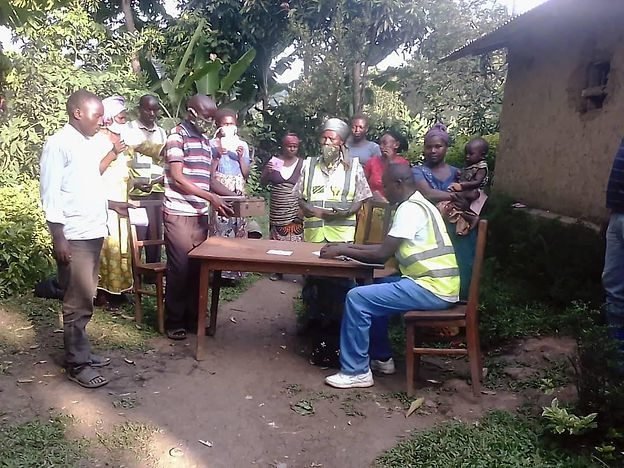
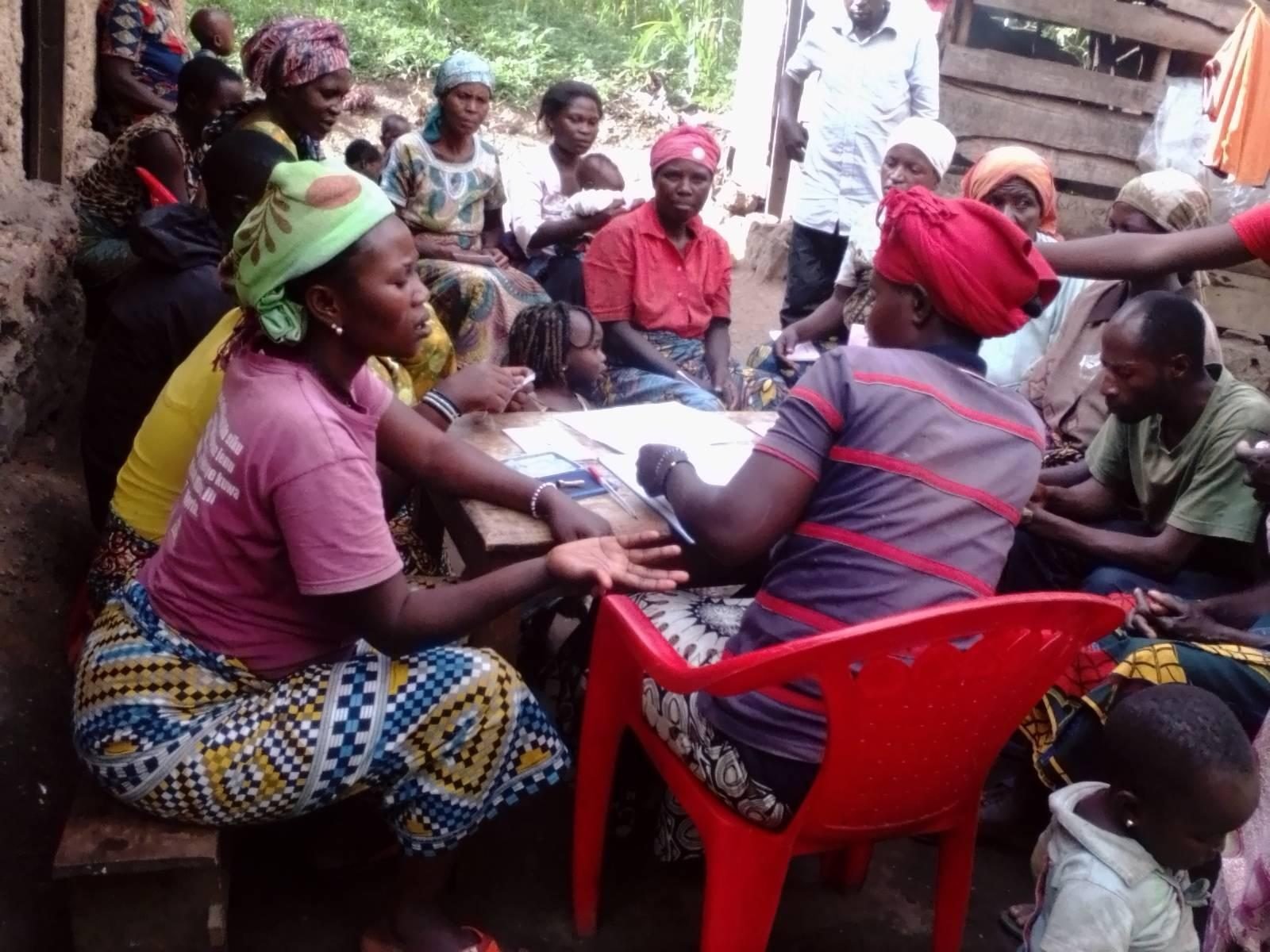
A family can return with farming skills or a business idea but no money for seeds, stock or tools. Access to suitable finance matters for small producers and traders. In DRC, village savings and credit associations offer a community-based way to save together and finance income-generating activities.
Context: FAO · Village savings in DRC, 2018
Why it matters
A modest investment can support the next planting season or restart local trade. Recovery works better when access to funds is connected to practical skills, buyers and the infrastructure people use to earn a living.
What PALPER does
Our economic-recovery priorities include village savings and credit associations (AVEC) and solidarity groups (MUSO). The purpose is practical: help families access resources for seeds, livestock and small businesses, while building cooperation around shared economic needs.
Paid community work is another part of this approach. Repairing an agricultural road can provide income and practical experience while reopening a route for farmers to sell their produce. Processing and better storage can also help communities earn more from what they grow.
What more we can do
Partners could help strengthen savings groups, practical business training and locally chosen livelihood activities. Support for community works and agricultural market access can complement these efforts, so new opportunities are backed by the conditions people need to sustain them.